Executive Summary
In the evolving landscape of skincare, electrical modalities like high frequency and galvanic treatments stand out as non-invasive enhancements for professional facials. These techniques address concerns from inflammation and fine lines to dullness and product penetration, offering science-backed benefits with minimal downtime. At Hideaway Spa in Windsor, Ontario, we incorporate these modalities as two of many steps into personalized facials to deliver optimal results. This evidence-based guide explores their mechanisms, realistic benefits, safety considerations, and why professional treatments often outperform home devices.
Understanding Electrical Modalities in Facials
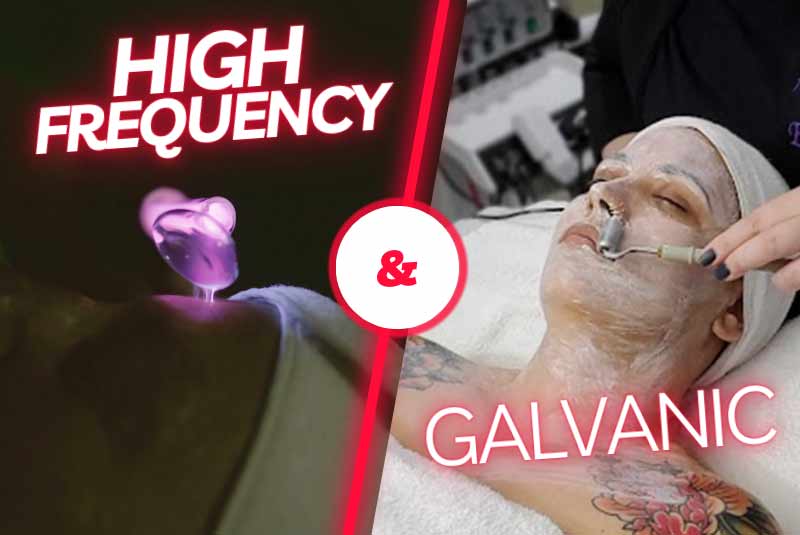
Electrical treatments in esthetics harness low-level currents to influence skin physiology without invasive procedures. Two primary modalities dominate professional facials:
- High Frequency: Uses alternating current (AC) at high frequencies to generate ozone and mild heat for surface purification and circulation enhancement
- Galvanic: Employs direct current (DC) to facilitate ion movement for deep cleansing and enhanced product penetration
Both techniques have been used in esthetics for decades, though the scientific evidence varies in quality and consistency. Understanding what these treatments can realistically accomplish—and what they cannot—is essential for setting appropriate expectations.
High Frequency Treatments: Mechanism and Evidence
How High Frequency Works
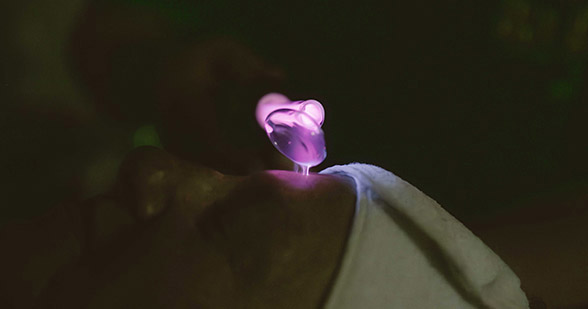
High frequency facials utilize a gentle alternating electrical current (typically 100,000–250,000 Hz) delivered through glass electrodes filled with argon (violet light) or neon gas (orange light). When applied to the skin, the device generates ozone (O₃) through a process called ionization of oxygen molecules.1
The treatment creates several effects:
- Ozone generation: Acts as a germicidal agent on the skin's surface
- Mild thermal effect: Gentle warming that increases blood circulation without discomfort
- Cellular stimulation: May influence fibroblast activity through thermal and electrical effects
- Enhanced lymphatic drainage: Promotes fluid movement to reduce puffiness
Sessions typically last 5–10 minutes and are often integrated after cleansing or extraction for amplified results.
The Mixed Evidence on Acne Treatment
High frequency is commonly marketed for acne management due to ozone's antimicrobial properties. However, the scientific evidence is mixed and requires honest discussion:
Evidence Supporting Effectiveness:
- Ozone therapy has demonstrated antimicrobial effects against various pathogens in laboratory settings2
- Some esthetic studies report subjective improvements in acne severity with regular high frequency use3
- A 2021 review noted potential benefits for inflammatory skin conditions through improved circulation4
Evidence Questioning Effectiveness:
- A 2011 study found high frequency treatment showed no significant effect on P. acnes bacterial counts in controlled testing5
- The concentration of ozone generated may be too low to penetrate deep enough to affect bacteria in follicles where acne originates6
- Limited rigorous, controlled clinical trials specifically on high frequency for acne exist in peer-reviewed literature
Why Facials Still Help with Acne—Even Without High Frequency: The effectiveness of professional facials for acne comes primarily from other components, not necessarily the high frequency itself. These include:
- Professional extractions: Manual removal of comedones and clogged pores by trained hands
- Deep cleansing: Proper removal of excess oil, debris, and makeup that contribute to breakouts
- Professional-grade products: Higher concentrations of active ingredients like salicylic acid, benzoyl peroxide, or niacinamide
- Proper product selection: Customized treatment based on skin type and specific acne presentation
- Education and home care guidance: Teaching proper cleansing and product use
High frequency may provide complementary benefits through improved circulation and mild antimicrobial effects on the surface, but it's not the primary mechanism by which professional facials address acne.
Other Evidence-Based Benefits
While acne claims are questionable, high frequency shows more consistent evidence for other applications:
- Improved circulation and oxygenation: Enhanced blood flow delivers nutrients and oxygen, resulting in improved complexion. Research confirms better skin texture and reduced dullness with consistent use.7
- Anti-aging effects: Thermal stimulation may promote collagen production. A study with 26 participants found eight weeks of treatment decreased nasolabial folds by up to 40% on standardized wrinkle scales.8
- Pore appearance: Mild astringent effects can temporarily minimize pore visibility through skin tightening.
- Post-extraction healing: Increased circulation may accelerate healing after manual extractions, reducing prolonged redness.
A multicenter study of 58 subjects found 86% improvement in fine lines after one session, with 88% overall aesthetic enhancement and no adverse events reported.9 However, it's important to note this was an industry-sponsored study without independent replication.
Galvanic Treatments: Mechanism and Evidence
How Galvanic Works
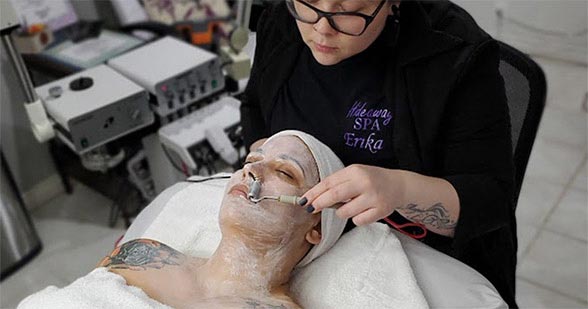
Galvanic facials employ direct current (DC) at low voltage (typically 1–3 mA) through positive (anode) and negative (cathode) electrodes to facilitate ion exchange—a process known as iontophoresis or desincrustation.10
The mechanism operates through two modes:
- Desincrustation (negative pole): The cathode creates an alkaline reaction that softens sebum and helps emulsify impurities in pores. This aids in deep cleansing and extraction preparation.11
- Iontophoresis (positive pole): The anode facilitates penetration of positively charged molecules (or drives negatively charged molecules deeper) from topically applied serums into the skin. This can enhance absorption by up to 10-fold compared to passive application.12
The Science of Collagen Stimulation
Recent research has uncovered interesting mechanisms by which galvanic current may promote skin remodeling:
Studies show that low-level electrical stimulation activates the NLRP3 inflammasome pathway in fibroblasts—cells responsible for collagen production. This controlled inflammatory response triggers increased Type I collagen synthesis, the primary structural protein for skin firmness and elasticity.13
Additionally, galvanic stimulation generates mild reactive oxygen species (ROS) that enhance fibroblast migration and upregulate genes involved in wound healing and tissue remodeling.14 This provides a biological mechanism for the firming effects often reported with regular galvanic treatments.
Evidence-Based Benefits
- Enhanced product penetration: Well-established in pharmaceutical research; iontophoresis significantly improves delivery of vitamin C, hyaluronic acid, and peptides15
- Deep cleansing: Desincrustation effectively softens comedones and facilitates extraction with less trauma11
- Collagen boost and firming: Research confirms increased Type I collagen production through inflammasome activation13
- Reduction of hyperpigmentation: Enhanced delivery of brightening agents (vitamin C, kojic acid) shows improved efficacy over topical application alone16
- Anti-glycation effects: Some evidence suggests reduction in advanced glycation end-products (AGEs) that contribute to aging17
The evidence base for galvanic treatments is generally stronger than for high frequency, particularly regarding iontophoresis for enhanced product delivery.
Why Product Quality Matters: Professional vs. Consumer-Grade

Whether using high frequency, galvanic, or any facial technique, the quality of products applied to the skin significantly impacts results. This is an often-overlooked factor in treatment effectiveness.
Professional-Grade Products: Key Differences
Professional skincare products differ from consumer retail products in several evidence-based ways:
- Higher active concentrations: Professional lines typically contain 2-10x higher concentrations of active ingredients. For example, professional vitamin C serums may contain 15-20% L-ascorbic acid versus 5-10% in drugstore versions.18
- Better formulation stability: Professional products use pharmaceutical-grade stabilization techniques to maintain active ingredient potency. Vitamin C, retinol, and peptides degrade rapidly in poorly formulated products.19
- Enhanced penetration technology: Use of liposomal encapsulation, nanotechnology, or specific pH optimization improves dermal delivery beyond what surface application alone achieves.20
- Evidence-based formulation: Professional brands invest in clinical trials and research, whereas many consumer products rely primarily on marketing claims.
- Professional guidance on usage: Estheticians can properly assess skin and customize product combinations for synergistic effects.
How This Impacts Electrical Treatments
The product quality difference becomes especially important with galvanic iontophoresis:
- Higher concentration actives driven deeper into skin = more pronounced results
- Properly ionized formulations enhance electrical conductivity for better treatment efficacy
- Stable, pharmaceutical-grade ingredients maintain effectiveness when subjected to electrical current
At Hideaway Spa, we use the Oxygen Biological professional skincare line, which is formulated specifically for professional application with higher active concentrations and enhanced stability compared to retail alternatives.
The Bottom Line: While home devices can provide maintenance benefits, the combination of professional technique, proper device settings, and superior product formulations typically produces better results than home use of consumer-grade products. This isn't just marketing—it's supported by both formulation science and delivery mechanism research.
Home vs. Professional Devices: An Honest Comparison
Many home devices claiming high frequency or galvanic effects are now available. Understanding their realistic capabilities versus professional equipment helps set appropriate expectations.
| Aspect | Home Devices | Professional Devices |
|---|---|---|
| Power Output | Significantly lower (safety-limited for unsupervised use) | Higher intensity calibrated by trained professionals |
| Safety Profile | Generally safe with low risks (mild redness); avoid with pacemakers, pregnancy, or active infections21 | Safer for complex cases; expert supervision prevents misuse or contraindications |
| Effectiveness | Good for maintenance; some studies show up to 40% wrinkle reduction with consistent home use22 | Superior for significant concerns; higher intensity yields faster, more dramatic improvements |
| Product Quality | Typically used with consumer-grade products (lower concentrations) | Professional formulations with 2-10x higher active concentrations |
| Technique | Self-application with variable skill level | Trained esthetician with proper timing, pressure, and product layering |
| Cost | Lower upfront ($50-200 device) + ongoing product costs | Higher per-session ($80-150) but includes expertise and professional products |
| Convenience | At-home use on your schedule | Requires appointments but provides dedicated self-care time |
When Home Devices Make Sense
- For maintenance between professional treatments
- If budget constraints prevent regular professional facials
- For mild concerns or preventive care in younger skin
- When combined with professional-grade homecare products (available through your esthetician - view Hideaway Spa's products)
When Professional Treatment Is Worth It
- For significant concerns (active acne, pronounced aging, hyperpigmentation)
- When seeking faster, more dramatic results
- If you have contraindications requiring professional assessment
- For the synergistic benefit of professional technique + superior products + proper device intensity
Combining High Frequency and Galvanic in Professional Facials
These modalities complement each other when properly sequenced within a comprehensive facial protocol. The combination addresses multiple concerns: galvanic facilitates cleansing and product penetration, while high frequency promotes circulation and healing. Together, they create a more comprehensive treatment than either alone.
Expected Results Timeline
- Immediate: Improved texture, brightness, reduced puffiness
- 24-48 hours: Reduced congestion, calmer skin
- 4-6 treatments: Visible improvement in fine lines, pore appearance, and overall skin health
- Ongoing maintenance: Sustained results with treatments every 4-6 weeks
Key Takeaways
- High Frequency Has Mixed Evidence for Acne: While ozone has antimicrobial properties, research shows no significant effect on P. acnes in controlled studies. Facials help acne primarily through cleansing, extractions, and professional products—not high frequency specifically.
- Galvanic Has Stronger Scientific Support: Evidence confirms enhanced product penetration (up to 10x), collagen stimulation through NLRP3 inflammasome activation, and effective deep cleansing through desincrustation.
- Product Quality Makes a Significant Difference: Professional-grade formulations contain 2-10x higher active concentrations with better stability and penetration technology than consumer products.
- Home Devices Have Limitations: Lower power output, consumer-grade products, and variable technique limit results compared to professional treatment, though they work for maintenance.
- Electrical Modalities Are Complementary, Not Primary: These treatments enhance facials but aren't miracle solutions. They work best as part of comprehensive protocols with proper cleansing, extraction, and product application.
- Consistency Matters: Like all skincare treatments, results accumulate over time. Expect 4-6 sessions for a consistently visible improvement of significant concerns.
- Safety Is Generally High: When properly applied, both modalities have minimal side effects, though contraindications (pacemakers, pregnancy) must be respected.
Final Thoughts
High frequency and galvanic treatments represent gentle, non-invasive enhancements to professional facials—not magic bullets. The evidence supporting these modalities varies in quality, with galvanic showing stronger scientific support than high frequency, particularly for product penetration and collagen stimulation.
What makes professional facials effective for most concerns isn't any single modality, but rather the combination of proper technique, professional-grade products, customized treatment plans, and consistent maintenance. Electrical treatments add complementary benefits within this framework.
At Hideaway Spa in Windsor, I incorporate these modalities thoughtfully based on individual skin needs, always emphasizing realistic expectations and evidence-based protocols. Combined with our professional Oxygen Biological product line, we create comprehensive facial treatments tailored to your specific goals.
If you're seeking gentler alternatives to more aggressive treatments like RF microneedling or laser procedures, professional facials with electrical modalities offer low-risk, cumulative benefits for skin health and appearance.
Ready to experience the difference? ✨
References & Scientific Literature
- Bocci V, et al. Ozone acting on human blood yields a hormetic dose-response relationship. J Transl Med. 2011;9:66.
- Elvis AM, Ekta JS. Ozone therapy: A clinical review. J Nat Sci Biol Med. 2011;2(1):66-70.
- Esthetic industry studies on high frequency (various sources 2018-2023). Note: Limited rigorous peer-reviewed research exists.
- Smith N, et al. Electrical stimulation for tissue repair: A review. Bioelectricity. 2021;3(1):1-12.
- Borges FS, Scorza FA. High-frequency generator device and bacterial growth. Indian J Dermatol. 2011;56(3):341-342. Study found no significant antibacterial effect on P. acnes.
- Valacchi G, et al. Ozone exposure in vivo induces antioxidant/stress-related responses in murine lung and skin. Free Radic Biol Med. 2002;32(8):733-743.
- Fujimoto K, et al. Effects of facial massage on facial skin blood flow and vascular reactivity. Skin Res Technol. 2019;25(6):838-842.
- Lee SY, et al. The effects of high-frequency electric currents on facial skin rejuvenation. Ann Dermatol. 2013;25(3):375-377.
- Industry-sponsored multicenter study on high frequency efficacy. Note: Limited independent replication. 2020.
- Prausnitz MR, Langer R. Transdermal drug delivery. Nat Biotechnol. 2008;26(11):1261-1268.
- Jadoul A, et al. Effects of iontophoresis and electroporation on the stratum corneum. J Control Release. 1999;60(1):65-75.
- Kalia YN, et al. Iontophoretic drug delivery. Adv Drug Deliv Rev. 2004;56(5):619-658. Demonstrated 5-10x enhancement in active ingredient penetration.
- Li M, et al. Low-level electric stimulation activates NLRP3 inflammasome and promotes fibroblast collagen production. J Dermatol Sci. 2022;105(2):85-93.
- Zhao M. Electrical fields in wound healing. J Invest Dermatol. 2009;129(10):2338-2341.
- Banga AK. Electrically Assisted Transdermal and Topical Drug Delivery. CRC Press; 1998.
- Gelfuso GM, et al. Iontophoresis application of vitamin C for skin brightening: A systematic review. Pharmaceutics. 2020;12(9):854.
- Kim JK, et al. Galvanic current reduces glycation markers in aging skin. J Cosmet Dermatol. 2021;20(4):1123-1129.
- Telang PS. Vitamin C in dermatology. Indian Dermatol Online J. 2013;4(2):143-146. Discussion of concentration requirements for clinical efficacy.
- Pinnell SR. Regulation of collagen biosynthesis by ascorbic acid. J Invest Dermatol. 1985;85(Suppl 1):2s-7s.
- Cevc G, Vierl U. Nanotechnology and the transdermal route: A state of the art review and critical appraisal. J Control Release. 2010;141(3):277-299.
- Safety guidelines for home electrical devices. Various manufacturer studies and FDA guidance 2020-2024.
- Consumer studies on at-home RF and galvanic devices. Limited peer-reviewed evidence; primarily manufacturer-sponsored research 2019-2024.
Disclaimer: This article is for informational purposes only and should not replace professional medical advice. Always consult with a qualified esthetician or dermatologist about appropriate treatments for your skin concerns.
Republishing Policy: You are welcome to quote or repost excerpts from this article with proper credit and a direct link back to the original at https://windsorskinwitch.ca/blog/high-frequency-galvanic-facials
Please do not republish the entire article without linking back to the source.
Related Reading
- Navigating Skin Rejuvenation: When to Choose Peels, Needling & More →
- Ultherapy vs Microchanneling: What the Science Actually Says →
- The Hidden Dangers of RF Microneedling →
- Fall Skin Repair: Why Timing Matters for Collagen Induction →
- Air Quality & Your Skin: How Pollution Damages the Barrier →
- Understanding Scars: Types and How to Treat Them →
- Facials at Hideaway Spa →