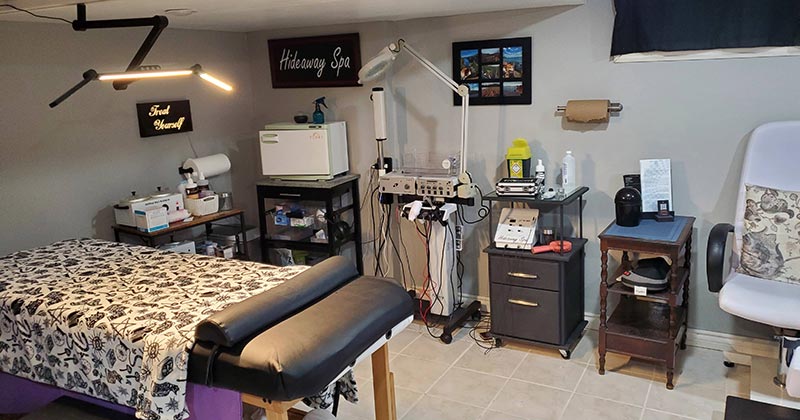
Our private, calm treatment space in Windsor's west end
Why Choose Waxing?
Waxing is one of the most effective hair removal methods, offering smooth, long-lasting results that far exceed shaving or depilatory creams. By removing hair from the root, waxing provides weeks of smooth skin while progressively weakening hair follicles over time, leading to finer, sparser regrowth.
Long-Lasting Results
Enjoy 3-6 weeks of smooth, hair-free skin compared to daily shaving
Finer Regrowth
Hair grows back softer and sparser with regular waxing treatments
Built-in Exfoliation
Waxing removes dead skin cells along with hair, leaving skin smooth and refreshed
No Stubble
Unlike shaving, waxing eliminates sharp hair tips that cause uncomfortable stubble
What We Offer
Full-range professional waxing in a private, judgment-free studio. Both hard and soft wax used depending on area and skin type.
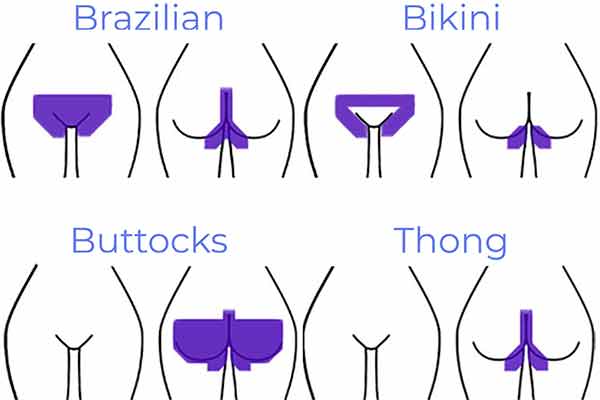
Brazilian & Intimate Waxing
All genders welcome. Completely private setting with your preferred style (bare, landing strip, triangle, etc.).
Details on intimate waxing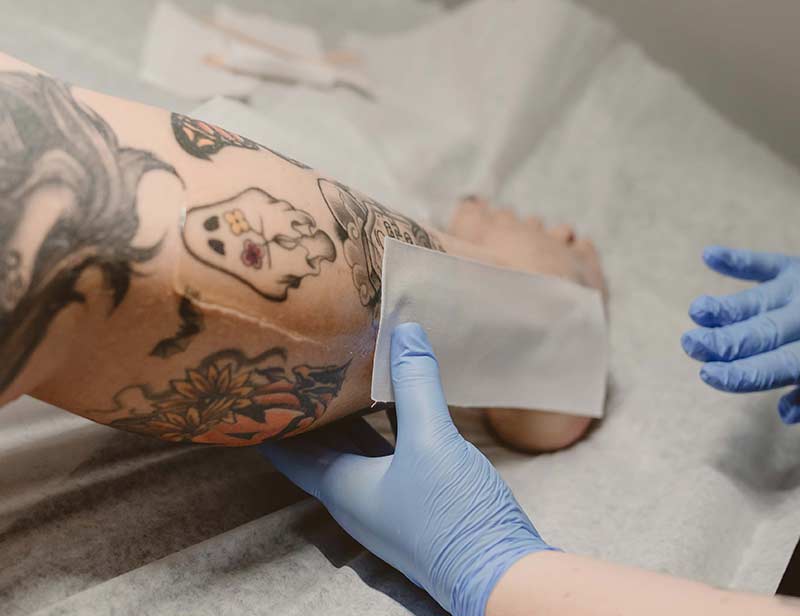
Body Waxing
Full legs, back, chest, underarms and more. Efficient technique for smooth, long-lasting results.
View more options & pricing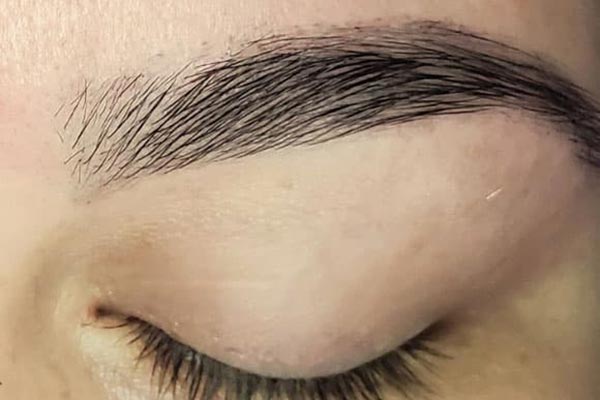
Facial Waxing
Precise brow shaping, upper lip, chin, full face and sideburns.
Detailed options & pricing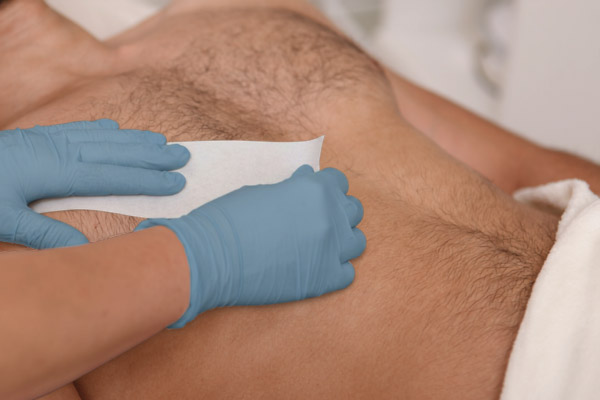
Men's Waxing
Professional waxing for men including Brazilian, full back, chest, shoulders, and more. Same high standard of privacy, care, and results as all our clients — completely judgment-free.
Details on Men's WaxingWaxing Services & Pricing
Facial Waxing
Body Waxing
Bikini & Brazilian
More details on Brazilian & intimate waxing →
Chest, Back & Abdomen
An inclusive spa — all genders welcome, with equal pricing for every client.
Men's Waxing Services in Windsor
At Hideaway Spa, we specialize in professional men's waxing services and welcome clients of all genders and body types. Many waxing salons in Windsor either don't accept male clients or lack the proper training—most estheticians are never taught to work with male anatomy. Our esthetician, Erika is specifically trained in techniques for all body types, ensuring comfortable, effective waxing regardless of gender.
We offer Brazilian waxing for men, back waxing, chest waxing, and full body waxing services. Whether you're preparing for a medical procedure (like pre-vasectomy grooming), maintaining athletic presentation, or exploring waxing for the first time, we provide a professional, judgment-free environment.
See our blog post The Rise of Men's Waxing →Why Men Choose Hideaway Spa for Waxing
Specialized Training
Our esthetician received specific education in male anatomy waxing—training that many professionals never receive
Comfortable Environment
Professional, judgment-free service where all clients feel respected and at ease
Experienced Technique
Proper technique for different hair growth patterns and skin sensitivity across all body types
Choice of Wax Type
We offer both hard and soft wax options depending on the treatment area and your comfort preference
Men's Waxing Services We Offer
- Brazilian waxing for men — Complete hair removal in the bikini area ($50)
- Back waxing — Full back or lower back options ($50 full / $30 lower)
- Chest and abdomen waxing — Individual or combination treatments ($30-$57)
- Body waxing — Arms, legs, underarms ($35-$80)
- Facial waxing — Brows, ears, nostrils, sideburns ($12-$24)
Note: All services in our pricing menu are available to clients of all genders with equal pricing. These are simply the services most commonly requested by male clients. We don't recommend waxing dense beard areas (cheeks/chin) as the hair is typically too coarse, often leading to irritation and scarring. Brow, ear, nostril, and sideburn waxing work great!
First time getting waxed? That's completely normal. We're happy to answer any questions and explain what to expect during your appointment. The process is straightforward, and our focus is on making you comfortable throughout the service.
Hard Wax vs. Soft Wax: Understanding the Difference
At Hideaway Spa, we use both hard wax and soft wax techniques to provide the most effective and comfortable hair removal experience. Each type of wax has unique properties that make it ideal for specific areas and hair types. The choice between hard and soft wax depends on the treatment area, hair type, and individual client preference—neither is universally "better," and pain tolerance varies significantly from person to person.
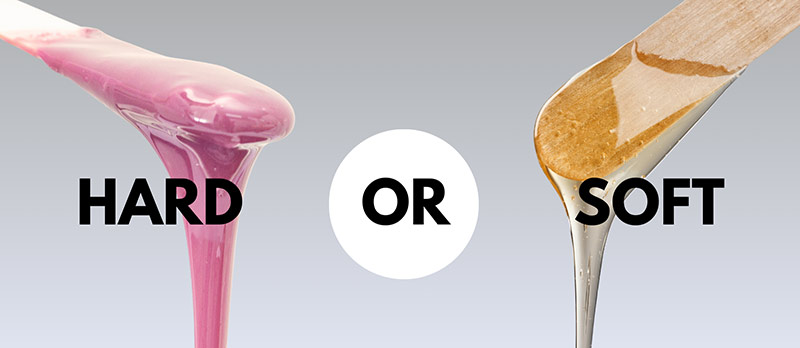
Hard or soft, what's the difference?
Hard Wax
- Applied warm and hardens on the skin
- Removed without strips by hand
- Adheres primarily to hair, not skin
- Preferred by some for sensitive areas
- Can be reapplied to same area if needed
- Works well on coarse, thick hair
- Gentle option for sensitive skin types
- May require additional tweezing for finer hair
Hard wax is designed to grip the hair without adhering strongly to the skin, which some clients find more comfortable for delicate areas.
Soft Wax
- Applied warm with thin layer
- Removed using fabric strips
- Adheres to both hair and skin effectively
- Provides excellent exfoliation benefit
- Fast treatment for large areas
- Removes more hair in single application
- Many find it less painful than expected
- Superior hair removal in one pass
Soft wax excels at removing fine to medium hair and captures significantly more hair per application, making treatments faster and more thorough. The exfoliating effect removes dead skin cells, leaving skin exceptionally smooth.
The Science of Hair Growth & Waxing
Understanding the hair growth cycle is essential to achieving optimal waxing results and timing your appointments for maximum effectiveness.
The Hair Growth Cycle
Hair growth occurs in a continuous cycle consisting of four distinct phases. Each individual hair follicle operates on its own independent cycle, which is why you may see new growth appearing at different times after waxing.
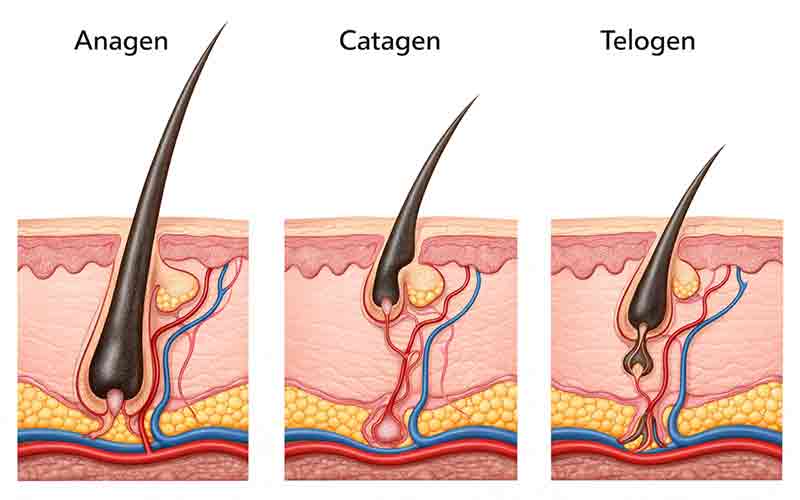
Anagen Phase (Growth Phase): This is the active growth phase where hair is produced by rapidly dividing cells in the hair follicle. The anagen phase for body hair typically lasts 4-8 weeks, with 80-90% of body hair in this phase at any given time. Hair in the anagen phase is firmly rooted in the follicle and contains an intact hair bulb.
The anagen phase is characterized by highly mitotic activity in the hair bulb, with melanocytes interspersed throughout producing pigmentation. This is the ideal phase for waxing as hair is effectively removed from the root (PMC, 2023).
Catagen Phase (Transition Phase): This brief transitional phase lasts approximately 10 days and affects 10-20% of body hair. During catagen, the hair follicle begins to shrink and detaches from its blood supply. Hair growth ceases, and the hair shaft is pushed upward as the follicle undergoes apoptosis-driven regression.
The hair follicle loses about one-sixth of its standard diameter during the catagen phase, and the formation of a "club hair" occurs—a fully keratinized structure at the base of the hair shaft (NCBI, 2023).
Telogen Phase (Resting Phase): The resting phase lasts about 100 days, with 10-20% of body hair in this phase. The hair follicle remains dormant while the fully formed club hair rests in place. New hair begins to form beneath the old hair in the follicle.
During telogen, approximately 50-100 hairs are shed naturally per day from the scalp, with similar patterns throughout the body. Hair in telogen is ready to fall out on its own or be pushed out by new growth (Healthline, 2024).
Exogen Phase (Shedding Phase): This is an extension of the telogen phase where old hairs are actively shed from the follicle, often during washing or brushing. The new anagen hair growing beneath pushes out the old telogen hair.
How Waxing Interrupts the Growth Cycle
Waxing is most effective when performed during the anagen phase when hair is actively growing and firmly anchored in the follicle. Removing hair from the root during this phase:
- Disrupts the hair growth cycle at its most vulnerable point
- Can cause minor trauma to the hair follicle, weakening it over time
- Results in progressively finer, sparser regrowth with consistent treatments
- Ensures all visible hair is removed at once for smooth results
Regular waxing every 4-6 weeks allows you to capture most hairs during the anagen phase, leading to more thorough removal and progressively better results over time.
Why Multiple Sessions Are Necessary (And Why You May See New Growth Sooner Than Expected)
During your waxing appointment, we remove all visible surface hair. However, you may notice some new growth appearing 1-2 weeks later. This isn't the same hair growing back—it's different hair follicles that were dormant or too short during your appointment.
Each individual hair follicle operates on its own independent cycle. During your first wax, we remove hair that's actively growing (anagen phase), but other follicles may be resting or producing hair that's still below the surface. Think of it like this: if you have 1,000 hair follicles in an area, 700 might have visible hair during your appointment, but 300 were "sleeping" or just starting their growth cycle.
After 3-4 consistent waxing sessions spaced 4-6 weeks apart, most follicles synchronize to the same schedule. This results in:
- Smoother skin that lasts longer between appointments
- Less "surprise" regrowth in the first 1-2 weeks
- Finer, sparser hair overall
- More predictable results you can count on
The Mechanism of Waxing
At a cellular level, waxing works through mechanical adhesion and extraction:
- Adhesion: Wax is applied warm (104-140°F depending on type), penetrating into the hair follicle opening and coating the hair shaft. The wax cools and hardens, creating a strong mechanical bond with the hair.
- Extraction: When the wax is quickly removed against the direction of hair growth, it pulls the entire hair shaft from the follicle, including the hair bulb and root sheath in many cases.
- Follicle Response: The mechanical removal causes temporary inflammation and can slightly damage the dermal papilla (the structure that controls hair production). Over time, repeated trauma weakens the follicle's ability to produce thick, coarse hair.
- Exfoliation Effect: Waxing simultaneously removes the outermost layer of dead skin cells (stratum corneum), providing a gentle exfoliating effect that reveals smoother, brighter skin.
The wax adheres to both the hair shaft and the keratinized cells surrounding it. This mechanical action creates temporary pore dilation and mild exfoliation of the epidermis (Science of Waxing, 2023).
Soft wax being used on a leg at Hideaway Spa in Windsor, ON
Pre-Wax & Post-Wax Care
Before Your Appointment
- Grow hair to 1/4 inch: Hair should be at least the length of a grain of rice for optimal removal (approximately 2-3 weeks of growth after shaving)
- Exfoliate 24-48 hours before: Gently exfoliate to remove dead skin cells and free any trapped hairs, but not immediately before your appointment
- Avoid retinoids: Stop using products containing retinol, tretinoin, or other vitamin A derivatives for 1-2 weeks prior and ensure we are aware as they thin the skin
- Skip the moisturizer: Don't apply lotions, oils, or moisturizers on the day of your appointment—they interfere with wax adhesion
- Avoid sun exposure: Don't get waxed if you're sunburned or have been in the sun/tanning bed within 24 hours
After Your Appointment
- Wait 24-48 hours before: Exfoliating, hot showers, swimming, working out intensely, or sun exposure
- Keep area clean: Gently cleanse with mild soap and avoid touching freshly waxed areas
- Moisturize regularly: Apply fragrance-free, gentle moisturizer to keep skin hydrated
- Exfoliate 2-3 times weekly: After the initial 48 hours, regular exfoliation helps prevent ingrown hairs
- Avoid tight clothing: Wear loose, breathable fabrics for 24 hours after waxing sensitive areas
- Book your next appointment: Schedule your next wax for 4-6 weeks out to maintain smooth results
Managing Ingrown Hairs
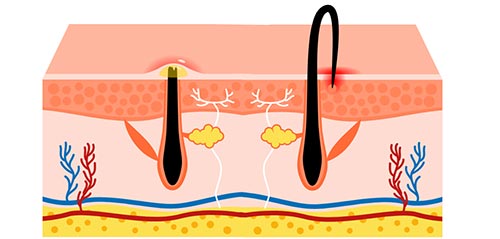
Ingrown hairs occur when hair curls back and grows into the skin rather than emerging from the follicle. While waxing significantly reduces ingrown hairs compared to shaving (by pulling hair straight from the root), they can still occur. Prevention strategies:
- Regular exfoliation (2-3 times per week) to clear dead skin cells from follicle openings
- Daily moisturization to keep skin soft and supple
- Wearing loose clothing to reduce friction on freshly waxed areas
- Avoiding picking or scratching at skin
- Using specialized ingrown hair serums containing gentle exfoliating acids
Exfoliation removes dead skin cells that can trap new hair growth beneath the surface. When hair emerges cleanly from the follicle, the risk of ingrown hairs is dramatically reduced (Starpil Wax, 2024).
View our Waxing Aftercare Guide for more information →Brow & Lash Services
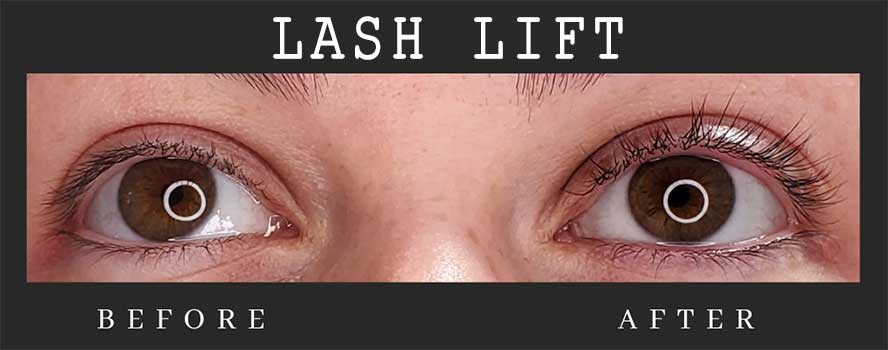
Lash lift – natural, lifted results in one session
We offer professional brow shaping, tinting, and lamination, plus lash lifts for a natural, lifted look. Results typically last 6–8 weeks.
- Custom brow shaping & tinting for defined arches
- Lash lift for wide-awake, curled lashes without mascara
- Brow lamination for fuller, brushed-up look
Frequently Asked Questions About Waxing
Why does some hair come back after just 1-2 weeks?
This is completely normal and doesn't mean your waxing wasn't effective! During your appointment, we remove all visible surface hair. However, you may notice some new growth appearing 1-2 weeks later. This isn't the same hair growing back—it's different hair follicles that were dormant or too short during your appointment.
Each individual hair follicle operates on its own independent cycle. During your first wax, we remove hair that's actively growing (anagen phase), but other follicles may be resting or producing hair that's still below the surface. Think of it like this: if you have 1,000 hair follicles in an area, 700 might have visible hair during your appointment, but 300 were "sleeping" or just starting their growth cycle.
After 3-4 consistent waxing sessions spaced 4-6 weeks apart, most follicles synchronize to the same schedule. This means:
- Smoother skin that lasts longer between appointments
- Less "surprise" regrowth in the first 1-2 weeks
- Finer, sparser hair overall
- More predictable results you can count on
How often should I get waxed?
For optimal results, we recommend waxing every 4-6 weeks. This timing allows:
- Hair to grow long enough for effective removal (1/4 inch minimum)
- Most follicles to enter their active growth phase simultaneously
- Progressive weakening of hair follicles over time
- Consistent smooth results without long gaps
Waiting longer than 6-8 weeks can "reset" the synchronization, meaning you'll start seeing more varied regrowth patterns again.
Which is less painful—hard wax or soft wax?
Pain tolerance varies significantly from person to person, and neither wax type is universally "less painful." Some clients find hard wax more comfortable for sensitive areas because it adheres primarily to hair rather than skin. Others prefer soft wax because it removes more hair in a single pass, making the treatment faster overall.
We offer both options and can discuss which might work best for your specific needs and comfort level during your appointment. Many clients find that proper technique and experienced application make a bigger difference than wax type alone.
Can I shave between waxing appointments?
We strongly recommend against shaving between waxing appointments. Here's why:
- Hair must be at least 6mm (1/4" or the size of a grain of rice) for wax to adhere for removal
- Shaving disrupts the hair growth synchronization we're working to achieve
- It resets your follicles to different growth cycles, making your next wax less effective
- You'll experience more varied regrowth patterns and shorter-lasting results
- The benefits of regular waxing (finer hair, longer-lasting smoothness) are lost
If you're experiencing regrowth that bothers you, consider booking your next appointment slightly sooner until follicles synchronize.
Do you offer men's waxing services?
Yes! We specialize in professional men's waxing services including Brazilian waxing, back waxing, chest waxing, and full body waxing. Our esthetician received specific training in male anatomy waxing—education that most professionals never receive.
We provide a professional, judgment-free environment where all clients feel comfortable and respected. Many salons in Windsor either don't accept male clients or lack proper training, but we're specifically equipped to serve clients of all genders and body types.
What should I do if I get ingrown hairs?
Ingrown hairs are less common with waxing than shaving, but they can still occur. Prevention is the best approach:
- Exfoliate 2-3 times per week (but wait 72 hours after waxing for chemical or 7 days for physical exfoliation)
- Moisturize daily with fragrance-free products
- Wear loose, breathable clothing
- Avoid picking or scratching at your skin
If you develop persistent ingrown hairs, contact us for advice. Regular exfoliation is the most effective prevention method.
For more tips and science view our Waxing Aftercare GuideHow long does hair need to be for waxing?
Hair should be at least 6mm (1/4") long—about the length of a grain of rice. This typically requires 2-3 weeks of growth after shaving. Hair that's too short won't be effectively removed by the wax, and you may need to reschedule your appointment.
If you're transitioning from shaving to waxing, your first appointment might not capture all hair because follicles are on different growth cycles. This is normal! After 2-3 sessions, your hair will synchronize and results will be more consistent.
Can I get waxed (including Brazilian/intimate waxing) while on my period/menstruating?
Yes, absolutely — it's completely safe and many clients choose to keep their appointments during their period. There's no medical reason you can't get waxed while menstruating, and we welcome you as usual. Be aware that hormonal changes can sometimes make your skin more sensitive, so the wax might feel a bit more intense than usual — but our gentle techniques and hard/soft wax options help keep things comfortable. If you're feeling crampy, low-energy, or prefer to reschedule, that's totally fine too — just let us know.
We're experienced with this and prioritize your comfort every step of the way.
I'm nervous about my first Brazilian wax — will it be awkward or embarrassing?
It's completely normal to feel nervous — most first-time clients do! We're highly experienced, professional, and focused on making you feel comfortable and respected every step of the way. We're in a fully private space, keep conversations light and respectful (or quiet if you prefer), and treat every client with the same care regardless of experience level.
The process is quick (usually 5-20 minutes for intimate areas), and many people say the anticipation is worse than the actual appointment. We're here to answer questions, go at your pace, and ensure you leave feeling confident — not embarrassed. Mention your nerves when booking, and we'll make extra accommodations!
How soon after a Brazilian wax can I have sex, swim, workout, or go in a hot tub/sauna?
For the best healing and to avoid irritation or infection, we recommend waiting **24-48 hours** after your Brazilian or intimate wax before:
- Having sex (friction can irritate freshly waxed skin)
- Swimming or soaking in pools/hot tubs (chlorine/bacteria risk)
- Intense workouts/sweating (sweat can clog pores)
- Saunas, steam rooms, or very hot showers
Stick to gentle activities, loose clothing, and our aftercare tips. Most clients feel back to normal within 24 hours — if anything feels off, reach out!
What should I wear (or not wear) to my Brazilian wax appointment?
Wear whatever makes you comfortable — most clients arrive in loose underwear, shorts, a skirt, or dress for easy access and to avoid tight fabric rubbing after the wax. You can keep your underwear on until the service starts (we'll provide disposable coverings or draping for privacy), and many remove it just for the intimate area portion.
Avoid tight jeans/leggings right after, as they can cause friction on sensitive skin. Bring clean underwear to change into if you prefer. We're all about discretion and comfort — no judgment here!
Can I get waxed while pregnant?
Yes, waxing (including Brazilian/intimate services) is generally safe during pregnancy — many expectant clients continue their routines with us. However, skin can become more sensitive due to hormonal changes, so the wax might feel more intense in some areas.
Let us know when booking — we'll use extra-gentle techniques, adjust positioning for comfort, and prioritize your well-being every step of the way.
How soon before a vacation, wedding, or special event should I schedule my Brazilian wax?
For the smoothest, most comfortable results before a big event:
- Schedule your Brazilian wax **3-7 days** in advance — this allows any minor redness or sensitivity to fully subside while giving you peak smoothness.
- Avoid waxing the day before or day of (skin needs 24-48 hours to settle).
- If it's your first time, book even earlier to test how your skin reacts.
Many clients wax every 4-6 weeks for consistent results. Mention your event when booking — we can help time it perfectly!
Related Reading
What Our Clients Say
⭐⭐⭐⭐⭐ Rated 5.0 on Google (25+ Reviews)
Read all reviews on Google →
"Erika is the only person I trust for waxing. Always makes a point to make me feel comfortable."
— Maddi B.
"I've been going to Hideaway Spa since the beginning for all of my beauty needs (waxing, mani/pedi, facials). She is excellent and comes highly recommended!"
— Sarina S.
"I've been getting waxed by Erika for about a year now and absolutely love her. I tried multiple salons before and was never satisfied, but Erika does a great job. I'm glad I found her."
— Stephanie V.