Executive Summary
The landscape of skin rejuvenation can be confusing. A recent discussion where someone asked about chemical peels prompted numerous recommendations for microneedling—but are they interchangeable? While both promote skin renewal, they work through distinct mechanisms: chemical peels focus on exfoliation via acids, whereas microneedling and microchanneling induce collagen production through controlled micro-injuries. This comprehensive guide examines facials, chemical peels, microneedling, microchanneling, dermaplaning, microdermabrasion, and laser treatments with peer-reviewed evidence to help you make informed decisions.

Core Principles of Skin Rejuvenation
Skin treatments stimulate repair by targeting the epidermis (outer layer), dermis (deeper layer), or both. Your choice depends on several factors:
- Primary concern: Acne scars, hyperpigmentation, fine lines, texture, or aging
- Skin type: Sensitive, oily, dry, or combination
- Tolerance for downtime: Some treatments require days of recovery
- Environmental factors: UV exposure increases post-treatment risks
Peer-reviewed studies consistently show that UV radiation exacerbates risks like hyperpigmentation and delayed healing after photosensitizing procedures, making fall and winter the preferred seasons for treatments like chemical peels and lasers.1 Always consult a licensed professional for personalized assessment.
Facials: Building a Sustainable Skincare Foundation
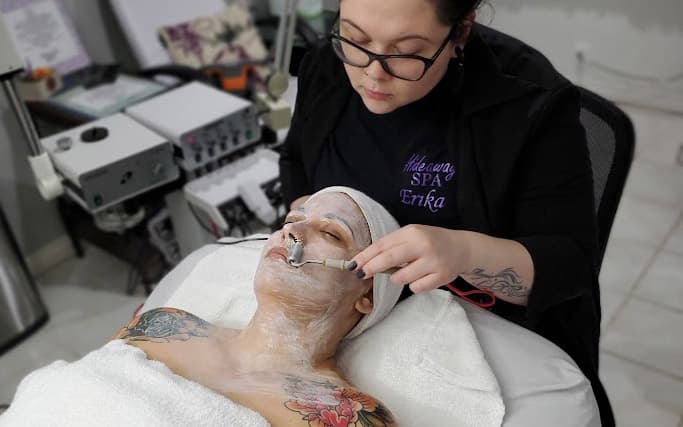
Professional facials encompass cleansing, exfoliation, extractions, masks, and massage customized to address hydration, congestion, or sensitivity using professional-grade products. They serve as an integral component of ongoing skincare routines rather than isolated interventions.
Benefits Backed by Research
Facials enhance skin barrier function, improve hydration, and promote elasticity through techniques like massage. Studies on facial massage report subjective improvements in appearance and suppleness in over 50% of participants, with increases in blood flow potentially stimulating collagen synthesis.2 This makes facials a low-risk entry point for preventive maintenance.
Potential Drawbacks
Research indicates transient side effects like erythema (redness) or edema occur in about 36% of facial cases, typically lasting hours. Rarer issues include mild dermatitis (4.7%) or acneiform eruptions (33%), especially with repeated extractions.3 Facials aren't ideal for addressing deep structural concerns like significant scarring.
When and Why to Choose Facials
Suitable year-round as a foundation for skin health, particularly for preventive care or mild concerns. In transitional seasons (spring/fall), facials help balance oil production or dryness. Compared to more aggressive treatments, they provide gentle, cumulative benefits without significant downtime—making them an excellent starting point before graduating to more intensive procedures.
Facials also serve a diagnostic function that other treatments don't — a thorough skin assessment during a facial appointment often identifies concerns the client wasn't aware of and establishes a baseline before committing to more intensive treatments. For clients who are new to professional skincare or whose skin condition is currently unstable (active breakouts, recent reactions, unknown sensitivities), a facial is the appropriate starting point regardless of what their longer-term treatment goals are.
Chemical Peels: Targeted Exfoliation for Surface Renewal
Chemical peels apply acids (glycolic, salicylic, trichloroacetic acid, or phenol) to dissolve dead skin layers and accelerate cellular turnover, improving tone and texture.
Evidence of Effectiveness
Systematic reviews demonstrate chemical peels are effective for superficial pigmentation, acne, and fine lines. Studies on acne vulgaris show significant lesion reduction with mild, transient side effects like erythema or temporary hyperpigmentation.4 The customizable depth allows for tailored intensity based on skin type and concern severity.
Superficial, Medium, and Deep — Not All Peels Are Equal
Chemical peels vary significantly in depth and therefore in both results and recovery. Superficial peels (glycolic acid, low-strength salicylic acid) remove only the outermost epidermal layer, produce mild temporary redness, and require no meaningful downtime — these are the peels most commonly incorporated into professional facial appointments. Medium-depth peels (higher-concentration TCA, Jessner's solution) penetrate to the upper dermis, produce more significant peeling over 5–7 days, and deliver correspondingly more dramatic results for pigmentation and texture. Deep peels (high- concentration phenol) are medical-grade procedures rarely performed outside dermatology or plastic surgery settings and are outside the scope of esthetic practice.
Risks and Limitations
Deeper peels carry risks of prolonged redness, peeling, or scarring. All chemical peels increase photosensitivity, demanding strict sun protection for weeks post-treatment. Clients with darker skin tones face higher complication rates due to post-inflammatory hyperpigmentation (PIH) — particularly with medium-depth peels.5 This doesn't preclude peels for darker skin types but makes professional assessment of Fitzpatrick skin type and appropriate peel selection essential before treatment — salicylic acid peels specifically have demonstrated a more favorable safety profile in darker skin tones than glycolic or TCA alternatives. 4
When and Why to Choose Chemical Peels
Best suited for hyperpigmentation, melasma, acne, and surface texture during low-UV seasons (fall and winter in Windsor) to minimize post-treatment sun exposure risks. Superficial peels are appropriate as a regular maintenance treatment and can be incorporated into facial appointments; medium-depth peels are better suited to clients with more established pigmentation or texture concerns who can accommodate several days of visible peeling. Compared to microneedling, peels excel at rapid surface renewal but underperform for deeper structural damage like atrophic acne scars — studies favor needling-based approaches for collagen remodeling where the concern extends into the dermis.6
Microneedling: Collagen Induction Through Micro-Injuries
Microneedling employs fine needles (typically 0.5-2.5mm depth) to create controlled micro-channels in the skin. This triggers the wound-healing cascade, prompting collagen and elastin production for firmer, smoother skin.
Clinical Evidence
Systematic reviews highlight substantial improvements in acne scars, surgical scars, striae (stretch marks), and wrinkles with minimal downtime.7 A 2018 study found microneedling safer for diverse skin types than ablative lasers, with lower risk of PIH in darker skin tones.8
The Rolling Motion and Tissue Trauma
Traditional microneedling devices use a rolling or dragging motion across the skin. While effective, this creates additional horizontal trauma as needles enter at angles and tear tissue laterally. This dragging action increases inflammation, prolongs redness (typically 24-48 hours), and can cause more discomfort during treatment.9
Considerations
Possible side effects include transient redness, swelling, or infection if sterile technique lapses. Not recommended during active inflammatory conditions (active acne, rosacea flares, or eczema). Variants like RF microneedling add heat, which can increase risks; explore the FDA warnings on RF microneedling risks and safer alternatives for more details.
When and Why to Choose Microneedling
Versatile for year-round use on deeper concerns like atrophic scars or skin laxity. Outperforms chemical peels for structural issues but can be combined for synergistic effects—exfoliation plus dermal remodeling.
Microchanneling: A Refined Evolution of Microneedling
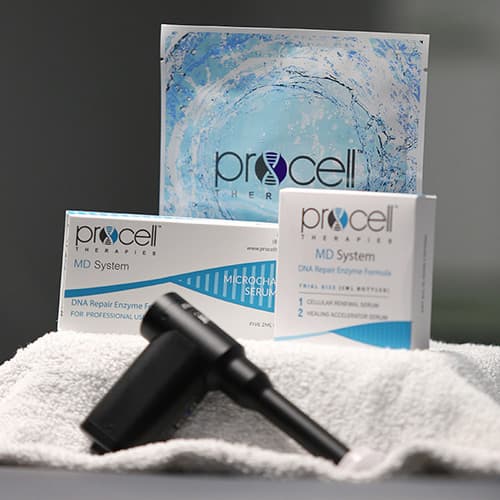
Microchanneling advances traditional microneedling by using pyramid-shaped tips in a precise stamping motion rather than rolling, creating controlled microchannels with significantly less trauma.
Key Difference: Stamping vs. Dragging
Unlike the rolling motion of traditional microneedling, microchanneling devices stamp vertically into the skin. Needles enter perpendicular to the surface and exit cleanly without lateral tearing. This fundamental difference results in:
- Dramatically reduced trauma: Only vertical punctures, no horizontal dragging that tears tissue
- Minimal inflammation: Redness typically resolves in 2-6 hours instead of 24-48 hours
- Less discomfort: Many clients report microchanneling as more comfortable than traditional microneedling
- Faster healing: Can often resume normal activities same-day10
Enhanced Serum Delivery
The precise channels optimize absorption of professional-grade serums containing growth factors, peptides, and hyaluronic acid. Research on microchannel drug delivery shows significantly enhanced penetration compared to topical application alone.11
When and Why to Choose Microchanneling
Preferred over traditional microneedling for:
- Sensitive or reactive skin types
- Those seeking minimal recovery time (social events, work commitments)
- Treatment of delicate areas (under-eye, neck)
- Anyone who found traditional microneedling too harsh
Suitable year-round with appropriate sun protection. At Hideaway Spa, we use Procell microchanneling for its superior precision and stem-cell enriched serums.
PRP "Vampire Facial": Enhanced Needling with Growth Factors
The PRP (platelet-rich plasma) "vampire facial" combines microneedling with plasma derived from the patient's own blood, rich in growth factors that theoretically enhance healing and collagen production.
Evidence and Age-Related Effectiveness
Systematic reviews show PRP can improve facial rejuvenation, with activated platelets promoting tissue repair.12 However, a critical limitation is age-dependent effectiveness. Research demonstrates that platelet function and growth factor concentration decline significantly with age—studies show reduced platelet activity and growth factor secretion in patients over 50.13
This means PRP may be less effective for older patients simply due to biological aging of their own blood components. That said, it can still be a viable option for younger clients who prefer autologous treatments.
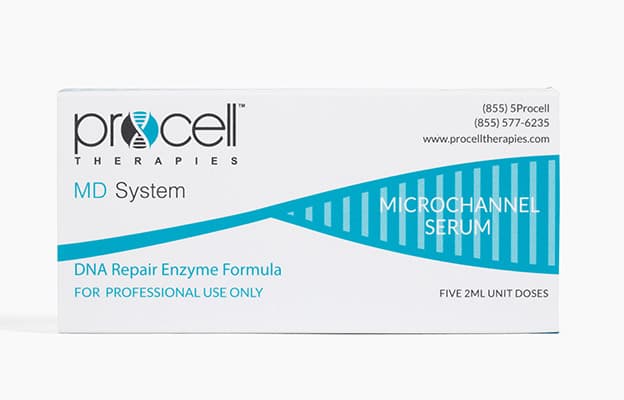
Procell Microchanneling: An Age-Independent Alternative
Unlike PRP, which relies on your own aging blood, Procell microchanneling uses professionally formulated serums containing stem cell-derived growth factors. These lab-cultured stem cells provide consistent, potent growth factors regardless of the patient's age, health status, or blood quality.14
Key advantages of Procell serums over PRP:
- Consistent growth factor concentration unaffected by patient age
- No blood draw required (less invasive, no bruising)
- Lower cost per treatment
- Combines with microchanneling's reduced trauma for optimal healing
When to Consider PRP vs. Alternatives
PRP may suit younger patients (under 40) with stubborn scars or significant aging concerns who prefer autologous (from own body) treatments. For older patients or those seeking predictable results without blood extraction, microchanneling with professional stem cell serums offers superior consistency.
Dermaplaning: Mechanical Exfoliation with Caveats
Dermaplaning uses a surgical scalpel to remove dead skin cells and vellus hair (peach fuzz) from the face, yielding immediate smoothness.
The Reality of Vellus Hair Removal
While dermaplaning is marketed as providing glow and improved product penetration, the value of removing vellus hair itself is not well-supported by evidence. The primary benefit comes from the exfoliation component — removal of dead skin cells from the stratum corneum — rather than the hair removal. Vellus hair on the face does serve a sensory function through follicular nerve endings that detect environmental stimuli, and its routine removal for cosmetic purposes lacks a clear clinical rationale.
Contrary to a common concern, hair does not grow back thicker or darker after dermaplaning — vellus hair structure does not change as a result of mechanical removal.15 This makes dermaplaning low-risk in that regard, but it doesn't strengthen the case for hair removal as a benefit. The honest framing is that dermaplaning is a method of mechanical exfoliation that happens to remove vellus hair in the process — clients who want the exfoliation benefit without chemical sensitivity can reasonably choose it on that basis.
Evidence and Limitations
Dermaplaning studies note it as a noninvasive option for superficial exfoliation with minimal risks when performed correctly.16 However, risks include nicks, irritation, or increased sensitivity. Not suitable for active acne or inflammatory skin conditions.
When to Consider Dermaplaning
Best for immediate glow before events or to enhance makeup application. Suitable year-round for those without active inflammation. Complements chemical peels for surface preparation, offering mechanical exfoliation for those sensitive to chemical formulations. However, understand it's a very basic treatment—the benefits come primarily from dead skin removal, not from removing natural facial hair.
Microdermabrasion: Gentle Mechanical Resurfacing
Microdermabrasion uses fine crystals or diamond-tipped wands to gently exfoliate the skin's outermost layer, providing non-chemical resurfacing.
Detailed Benefits
Research on microdermabrasion demonstrates several evidence-based benefits:
- Improved skin texture: Studies show statistically significant smoothness improvements after 5-12 sessions, measured by profilometry (surface analysis).17
- Enhanced product penetration: Temporary removal of stratum corneum increases absorption of topical medications and serums by up to 20%.18
- Mild photoaging improvement: A 2001 study found 6 treatments improved fine lines and elasticity in patients with mild sun damage, though effects were modest compared to chemical peels.19
- Reduced pore appearance: Exfoliation helps clear congested pores, temporarily reducing their visible size.
- Hyperpigmentation reduction: Multiple sessions can gradually fade superficial discoloration, though less effectively than chemical peels or laser treatments.
- Dermal remodeling pathway activation: Even a single treatment activates wound-healing cascades including transcription factors and matrix metalloproteinases, though collagen production response varies considerably between individuals and is not guaranteed.20
Limitations
Microdermabrasion yields modest results compared to more aggressive treatments. Studies on acne scars found no significant improvement in 27% of patients after multiple sessions.21 It's best suited for maintenance and mild concerns rather than dramatic rejuvenation.
When to Choose Microdermabrasion
Ideal for:
- Those seeking gentle, no-downtime exfoliation
- Sensitive skin that can't tolerate chemical peels
- Maintenance between more aggressive treatments
- First-time treatment seekers testing their skin's response
Suitable year-round. While it can't compete with peels or needling for significant concerns, it offers a risk-free introduction to professional skin treatments.
LED Light Therapy: Targeted Wavelengths for Acne and Photoaging
LED (light-emitting diode) therapy delivers specific wavelengths of light to the skin to trigger photobiological responses without heat or tissue damage. Unlike lasers, LED devices are non-ablative and non-thermal — they work by activating cellular receptors rather than creating controlled injury. Different wavelengths target different concerns, making LED one of the more versatile adjunct treatments in professional skincare.
Evidence of Effectiveness
The two most clinically studied wavelengths are blue light (approximately 415nm) for acne and red light (approximately 630–660nm) for photoaging and wound healing. Blue light works by activating porphyrins produced by Cutibacterium acnes bacteria, generating reactive oxygen species that destroy the bacteria without antibiotics.25 Red and near-infrared wavelengths penetrate deeper into the dermis, where research indicates they stimulate fibroblast activity and support collagen and elastin synthesis.26 A systematic review of LED phototherapy found significant reductions in acne lesion counts and measurable improvements in photoaged skin, with a favorable safety profile across skin types.27
Risks and Limitations
LED therapy has a notably low side effect profile — transient mild erythema is the most commonly reported effect and resolves quickly. Not suitable for clients on photosensitizing medications or those with certain light-sensitivity conditions. Results from standalone LED treatments are modest compared to needling or peels; its strongest role is as an adjunct to other treatments rather than a primary intervention for significant concerns.
When and Why to Choose LED Therapy
The evidence for LED therapy is built on repeated sessions — most clinical protocols involve 8–12 treatments over several weeks, making consistent at-home use a more practical and cost-effective delivery model than periodic in-clinic visits. Quality consumer LED devices from established manufacturers have reasonable supporting evidence for mild acne management and modest anti-aging improvement when used consistently over 8–12 weeks. For clients asking about LED, honest guidance is to point them toward a quality at-home device for regular use rather than booking in-clinic sessions. It is not a substitute for chemical peels or needling-based treatments for significant structural or pigmentation concerns.
HydraFacial: Multi-Step Vortex Exfoliation and Infusion
HydraFacial is a branded multi-step device treatment combining mechanical exfoliation, mild chemical exfoliation, extraction, and serum infusion in a single session using a vortex-suction handpiece. It is one of the most-searched facial treatments by name, which warrants a clear explanation of what it actually is and how it compares to other options.
How It Works
The device uses a spiral tip to simultaneously exfoliate the skin surface and infuse treatment serums, while suction performs extractions. A standard protocol involves three steps: exfoliation with a mild acid solution, painless vortex-assisted extractions, and infusion of antioxidants, peptides, and hyaluronic acid. The combination of mechanical and mild chemical exfoliation with simultaneous hydration infusion differentiates it from standalone microdermabrasion.
Evidence and Limitations
Published clinical evidence specific to the HydraFacial device is limited — most peer-reviewed literature addresses its individual components (exfoliation, mild acid application, topical infusion) rather than the combined device protocol. Available studies report improvements in skin hydration, sebum regulation, and patient-reported skin quality after a series of treatments, with no significant adverse events.28 The treatment's popularity has outpaced its clinical research base, which is worth acknowledging: the individual mechanisms are well-supported, but head-to-head comparisons with other treatments are largely absent from peer-reviewed literature.
When and Why to Consider It
HydraFacial occupies a similar space to microdermabrasion — surface exfoliation and hydration with no meaningful downtime — but with the added dimension of simultaneous serum infusion and a generally more comfortable extraction process. It is not a collagen induction treatment and should not be compared to microneedling or microchanneling for structural concerns. Its strongest use case is clients seeking immediate improvements in brightness, hydration, and texture without recovery time. Suitable year-round.
Microcurrent: Electrical Stimulation for Facial Contouring
Microcurrent therapy delivers low-level electrical current — typically in the microampere range — to facial muscles and tissue, with the stated goals of improving muscle tone, facial contour, and product penetration. It is one of the older electrical modalities in professional esthetics and is distinct from the galvanic current used in professional facials, which targets ion transport rather than muscle stimulation.
Proposed Mechanisms
Microcurrent is thought to work through two pathways: stimulation of facial muscles to improve tone and lift, and upregulation of ATP (adenosine triphosphate) production in skin cells, which theoretically accelerates cellular repair and collagen synthesis. A frequently cited laboratory study found electrical stimulation increased ATP production and amino acid transport in treated tissue, 29 though these findings are from controlled laboratory conditions and their translation to clinical outcomes in intact skin is not straightforward.
Clinical Evidence — Where It Stands
The clinical evidence for microcurrent is less robust than for peels, needling, or LED therapy. Most studies are small, lack control groups, or rely on patient-reported outcomes and photographic assessment rather than objective measurement. A randomized controlled trial examining neuromuscular electrical stimulation for facial toning found statistically significant improvements in muscle tone and skin appearance scores compared to control,30 though the evidence base overall remains limited relative to its widespread use in professional esthetics. Patient satisfaction rates in observational studies are generally high, and the ATP mechanism is biologically plausible — but the gap between proposed mechanism and measured clinical outcome is wider here than in most other treatments covered in this guide.
When and Why to Consider Microcurrent
Best suited for clients focused on facial contouring, mild lifting, and skin firmness rather than texture or pigmentation concerns. No downtime and generally well-tolerated. Not appropriate for clients with pacemakers, active acne, metal implants in the treatment area, or during pregnancy. Results are cumulative and typically require a series of treatments to maintain. Microcurrent is most honestly positioned as a complement to other treatments — clients seeking structural improvement in skin thickness or significant anti-aging results are better served by microchanneling. Suitable year-round.
Laser Treatments: Light-Based Precision
Lasers deliver concentrated light energy to target pigmentation, wrinkles, or scars. Types include ablative (removing tissue layers) and nonablative (stimulating collagen without surface removal).
Evidence and Effectiveness
Ablative lasers (CO2, erbium) show impressive long-term results for photodamage and deep scars, with serious complication rates under 0.05%.22 Nonablative lasers offer less dramatic improvement with lower risk but higher rates of transient side effects like erythema (12.2% vs. 8.3% for ablative).23
Considerations
Ablative lasers require significant downtime (7-14 days) and carry PIH risk in darker skin. Nonablative treatments need multiple sessions for visible results. Both demand strict sun avoidance post-treatment.
When to Choose Laser Treatments
Best for persistent concerns unresponsive to other methods, performed in winter months. Superior to microneedling for certain types of deep scars and vascular lesions, but more invasive and expensive.
Treatment Effectiveness Matrix by Concern
This evidence-based matrix helps identify which treatments are most effective for specific skin concerns:
| Skin Concern | Facials | Chemical Peels | Microneedling | Microchanneling | Microdermabrasion | Lasers | LED Therapy | HydraFacial | Microcurrent |
|---|---|---|---|---|---|---|---|---|---|
| Acne Scars (Atrophic) | Low | Medium | High | High | Low | High | Low | Low | Low |
| Hyperpigmentation | Low | High | Medium | Medium | Medium | High | Low | Low | Low |
| Fine Lines & Wrinkles | Medium | Medium | High | High | Low | High | Medium | Low | Medium |
| Rough Texture | Medium | High | Medium | High | Medium | Medium | Low | Medium | Low |
| Enlarged Pores | Medium | High | Medium | Medium | Medium | Medium | Low | Medium | Low |
| Active Acne | Medium | High | Low* | High | Medium | Medium | Medium† | Low | Low |
| Stretch Marks | Low | Low | High | High | Low | Medium | Low | Low | Low |
| Dull, Dehydrated Skin | High | Medium | Medium | High | Medium | Low | Medium | High | Low |
| Sun Damage (Photoaging) | Low | High | Medium | Medium | Medium | High | Medium | Low | Low |
| Skin Laxity (Sagging) | Low | Low | Medium | High | Low | High | Low | Low | Medium |
*Recent studies are starting to say Microneedling can be used over active acne when performed appropriately. Read More →
†Blue LED (415nm) has clinical evidence for mild-to-moderate active acne via bacterial photodestruction; less effective for inflammatory or cystic presentations.
This matrix assumes optimal delivery of each treatment. LED therapy ratings, for example, reflect consistent multi-session protocols (typically 8–12 sessions); single in-clinic sessions are not independently evidence-supported for lasting results.
For further reading on acne management consider Accutane alternatives for moderate cases before advanced rejuvenation.
Key: High = First-line treatment | Medium = Moderate benefit | Low = Minimal effect
Comparative Insights and Strategic Timing
Chemical Peels vs. Needling-Based Treatments
The original question—whether peels and microneedling yield "completely different results"—has nuance. They target different layers and mechanisms:
- Chemical peels: Excel at superficial renewal (epidermis), ideal for pigmentation, active acne, and texture
- Microneedling/Microchanneling: Target dermal remodeling, superior for structural damage like scars and wrinkles
Studies show overlapping benefits but distinct strengths. Importantly, combinations often enhance outcomes — the evidence supports several specific pairings worth understanding before planning a treatment sequence.
Evidence-Supported Treatment Combinations
Chemical peel followed by microneedling or microchanneling is the most studied combination for acne scarring. The peel addresses surface pigmentation and texture while the subsequent needling drives collagen induction at the dermal level — research shows synergistic improvement beyond what either treatment achieves alone.24 The sequencing matters: peel first to clear surface debris and improve penetration, then allow full healing before needling. Performing both in the same session is not recommended.
Facials as active acne management before microchanneling is a sequencing consideration worth understanding. Microchanneling is contraindicated over active inflammatory acne — performing it on skin with active breakouts risks spreading bacteria through the microchannels and worsening the condition. A series of professional facials to bring active acne under control first creates a stable baseline from which microchanneling can then address the scarring that remains. This isn't a simultaneous combination but a deliberate treatment sequence — one that also happens to reflect how most clients realistically progress through their skin concerns.
Microdermabrasion as a preparation step before chemical peels or topical treatments exploits its documented ability to temporarily increase stratum corneum permeability,18 allowing subsequent active ingredients to penetrate more effectively. This is one of microdermabrasion's more evidence-supported uses — not as a standalone treatment for significant concerns, but as a surface-preparation step that amplifies what follows.
The original question about peels versus microneedling reflects a common misconception that treatments addressing similar aesthetic goals are interchangeable. They address those goals through fundamentally different biological pathways — exfoliation versus collagen induction — which is precisely why combining them can produce outcomes neither achieves alone.
Traditional Microneedling vs. Microchanneling
The critical difference is trauma level:
- Microneedling (rolling): More tissue trauma, longer recovery (24-48 hours redness), more discomfort
- Microchanneling (stamping): Minimal trauma, faster recovery (2-6 hours), comparable or better results
For most patients, microchanneling offers superior risk-benefit ratio unless deep scarring requires aggressive treatment depth. In small instances if excessively deep/pitted, a series of thermolysis treatments may outperform both.
Seasonal Considerations
Photosensitizing treatments (peels, lasers, deeper microchanneling) align best with low-UV periods (October-March in Windsor) to reduce risks of PIH and sunburn. Facials, microdermabrasion, and gentle microchanneling offer more year-round flexibility with proper sun protection.
Key Takeaways
- Match Treatment to Concern: Use the treatment matrix as a starting point—facials for maintenance, peels for pigmentation, needling for scars.
- Understand Trauma Levels: Microchanneling's stamping motion causes significantly less trauma than traditional microneedling's rolling, resulting in faster recovery with comparable results.
- Consider Age-Dependent Factors: PRP effectiveness declines with age due to reduced platelet function, while professional stem cell serums (like Procell) maintain consistent potency regardless of patient age.
- Don't Overvalue Basic Treatments: Dermaplaning is essentially cosmetic preference—vellus hair removal provides no medical benefit, and the primary value comes from dead skin exfoliation.
- Combinations Can Synergize: Evidence supports combining complementary treatments (e.g., peel + microneedling for acne scars) for enhanced outcomes.
- Timing Matters: Schedule photosensitizing procedures during low-UV seasons to minimize complications.
- Professional Guidance is Essential: Individual skin variations mean cookie-cutter approaches often fail. Consult licensed professionals for personalized treatment plans.
Final Thoughts
The confusion surrounding skin rejuvenation treatments stems from overlapping benefits despite distinct mechanisms. Chemical peels and microneedling aren't interchangeable, but they often address similar aesthetic goals through different biological pathways—exfoliation versus collagen induction.
Understanding these distinctions empowers you to make evidence-based decisions. Whether you choose facials for ongoing maintenance, peels for pigmentation, or microchanneling for deeper concerns, the key is matching modality to goal with professional guidance.
At Hideaway Spa in Windsor, I offer consultations to assess your specific needs and recommend evidence-based treatment plans. Visit our services page to learn more about available options, or book a consultation to discuss which approach best fits your skin goals.
Here's to clearer skin—and clearer understanding! ✨
References & Scientific Literature
- Sachdeva S. Fitzpatrick's Dermatology, 9th ed. Discussion of UV-induced complications post-resurfacing procedures. 2019.
- Fujimoto K, et al. Effects of facial massage on facial skin blood flow and vascular reactivity. Skin Res Technol. 2019;25(6):838-842.
- Kim JE, et al. Adverse events after facial procedures: A retrospective analysis of 1,373 patients. Dermatol Surg. 2020;46(8):1052-1058.
- Abdel Meguid AM, et al. Trichloroacetic Acid Versus Salicylic Acid in the Treatment of Acne Vulgaris in Dark-Skinned Patients. Dermatol Surg. 2021;47(4):519-523.
- Grimes PE. The safety and efficacy of salicylic acid chemical peels in darker racial-ethnic groups. Dermatol Surg. 1999;25(1):18-22.
- Fabbrocini G, et al. Acne scars: pathogenesis, classification and treatment. Dermatol Res Pract. 2010;2010:893080.
- Ramaut L, et al. Safety Profile for Microneedling: A Systematic Review. Dermatol Surg. 2021;47(9):1249-1254.
- Aust MC, et al. Percutaneous collagen induction therapy: an alternative treatment for scars, wrinkles, and skin laxity. Plast Reconstr Surg. 2008;121(4):1421-1429.
- Doddaballapur S. Microneedling with dermaroller. J Cutan Aesthet Surg. 2009;2(2):110-111.
- Alster TS, Graham PM. Microneedling: A Review and Practical Guide. Dermatol Surg. 2018;44(3):397-404.
- Sim J, et al. Enhanced Micro-Channeling System via Dissolving Microneedle to Improve Transdermal Serum Delivery. Pharmaceutics. 2022;15(1):75.
- Gentile P, et al. A Comparative Translational Study: The Combined Use of Enhanced Stromal Vascular Fraction and Platelet-Rich Plasma Improves Fat Grafting Maintenance in Breast Reconstruction. Stem Cells Transl Med. 2012;1(4):341-351.
- Castillo TN, Pouliot MA, Kim HJ, Dragoo JL. Comparison of growth factor and platelet concentration from commercial platelet-rich plasma separation systems. Am J Sports Med. 2011;39(2):266–271.
- Procell Therapies. Procell's Newly Formulated Growth Factor Seums Enhancing Skincare with Recombinant Growth Factors. 2023.
- Trotter M, Duggins OH. Age changes in head hair from birth to maturity. Am J Phys Anthropol. 1948;6(4):489-506. Classic study establishing hair structure doesn't change with mechanical removal.
- Karimipour DJ, et al. Microdermabrasion: an evidence-based review. Plast Reconstr Surg. 2006;117(3):1160-1165.
- Shim EK, et al. The efficacy and safety of microdermabrasion for facial rejuvenation: a meta-analysis of randomized controlled trials. J Dermatolog Treat. 2014;25(1):6-10.
- Lee WR, et al. Microdermabrasion as a novel tool to enhance drug delivery via the skin: an animal study. Dermatol Surg. 2006;32(8):1013-1022.
- Freedman BM, et al. Treatment of photoaging: a novel approach using combined mild microdermabrasion and chemical peeling. Dermatol Surg. 2001;27(11):902-906.
- Karimipour DJ, Kang S, Johnson TM, Orringer JS, Hamilton T, Hammerberg C, Voorhees JJ, Fisher G. Microdermabrasion: a molecular analysis following a single treatment. J Am Acad Dermatol. 2005;52(2):215–223. Molecular analysis showing activation of dermal remodeling cascade after single treatment; collagen production response varied between subjects.
- Jordan R, et al. Comparison of crystal-free microdermabrasion to microdermabrasion with crystals in acne scars. J Drugs Dermatol. 2005;4(3):339-343.
- Orringer JS, et al. Molecular effects of phototherapy: a meta-analysis of microarray studies in human skin. Arch Dermatol Res. 2010;302(2):159-168.
- Tanzi EL, Alster TS. Comparison of a 1450-nm diode laser and a 1320-nm Nd:YAG laser in the treatment of atrophic facial scars: a prospective clinical and histologic study. Dermatol Surg. 2004;30(2 Pt 1):152-157.
- Leheta TM, et al. Percutaneous collagen induction versus full-concentration trichloroacetic acid in the treatment of atrophic acne scars. Dermatol Surg. 2011;37(2):207-216.
- Papageorgiou P, Katsambas A, Chu AC. Phototherapy with blue (415 nm) and red (660 nm) light in the treatment of acne vulgaris. Br J Dermatol. 2000;142(5):973–978.
- Avci P, Gupta A, Sadasivam M, et al. Low-level laser (light) therapy (LLLT) in skin: stimulating, healing, restoring. Semin Cutan Med Surg. 2013;32(1):41–52.
- Jagdeo J, Austin E, Mamalis A, Wong C, Ho D, Siegel DM. Light-emitting diodes in dermatology: A systematic review of randomized controlled trials. Lasers Surg Med. 2018;50(6):613–628.
- Gold MH, Sensing W, Biron JA. Clinical efficacy of home-use light-emitting diode device for facial rejuvenation. J Cosmet Laser Ther. 2011;13(5):210–214. Note: peer-reviewed literature on the HydraFacial device protocol specifically remains limited; verify current evidence before citing.
- Cheng N, Van Hoof H, Bockx E, et al. The effects of electric currents on ATP generation, protein synthesis, and membrane transport in rat skin. Clin Orthop Relat Res. 1982;171:264–272.
- Kavanagh S, Newell J, Hennessy M, Sadick N. Use of a neuromuscular electrical stimulation device for facial muscle toning: a randomized, controlled trial. J Cosmet Dermatol. 2012;11(4):261–266.
Disclaimer: This article is for informational purposes only and should not replace professional medical advice. Always consult with a qualified esthetician or dermatologist before undergoing any skin treatment.
Republishing Policy: You are welcome to quote or repost excerpts from this article with proper credit and a direct link back to the original at https://windsorskinwitch.ca/blog/skin-rejuvenation-treatments-guide
Please do not republish the entire article without linking back to the source.
Related Reading
- Microneedling Serums Compared: Growth Factors, PRP, PDRN & Exosomes
- Ultherapy vs Microchanneling: What the Science Actually Says →
- High Frequency & Galvanic Treatments →
- The Hidden Dangers of RF Microneedling →
- Air Quality & Your Skin: How Pollution Damages the Barrier →
- Fall Skin Repair: Why Timing Matters →
- Facials at Hideaway Spa →
- Procell Microchanneling at Hideaway Spa →
- Understanding Scars: Types and How to Treat Them →