Why This Guide Exists
After 15+ years as a professional esthetician (including time working in a dermatologist's office) and performing thousands of waxing services at Hideaway Spa in Windsor, I've noticed something troubling: most waxing aftercare advice online is oversimplified, contradictory, or just plain wrong about exfoliation timing.
Everyone says "exfoliate, exfoliate, exfoliate" to prevent ingrown hairs—but almost no one clarifies what kind of exfoliation or when to actually start. This creates confusion and, ironically, can cause the very problems clients are trying to prevent.
This guide dives deep into the peer-reviewed science to answer the questions I get asked most:
- When should I actually start exfoliating after waxing?
- What's the difference between physical and chemical exfoliation, and why does it matter?
- How do I prevent ingrown hairs without irritating freshly waxed skin?
- Is Brazilian wax aftercare different from other areas?
- Are "vajacials" actually necessary?
TL;DR: What You Need to Know
Short on time? Here are the critical takeaways before we dive into the science:
⏰ Physical Exfoliation Timing
Wait 7 days before using scrubs, loofahs, mitts, or gloves. Your skin needs time to fully heal after waxing removes hair from the root and strips surface skin cells.
🧪 Chemical Exfoliation Timing
Start at 48-72 hours (2-3 days) with gentle acids like salicylic acid 2% or glycolic acid. These dissolve dead cells without friction—safer for recovering skin.
🚫 The Biggest Myth
"Exfoliate immediately!" is wrong. Waxing already exfoliates. Scrubbing too soon causes irritation, micro-tears, and can worsen ingrown hairs—the opposite of what you want.
💧 Moisturize Daily
Use lightweight, non-comedogenic moisturizers with hyaluronic acid or aloe vera. Hydrated skin heals faster and reduces ingrown risk by up to 40%.1
🩲 Brazilian Care Is Different
Intimate areas need extra caution: looser clothing for 48 hours, gentler products, and chemical exfoliants are strongly preferred over physical scrubbing.
❌ Skip the "Vajacial"
Proper waxing technique + evidence-based aftercare = no need for trendy add-on treatments. Save your money and follow proven protocols instead.
Keep reading for the detailed science behind each recommendation ↓
Understanding Waxing and Your Skin
Before we can talk about proper aftercare, you need to understand what actually happens to your skin during waxing—because this fundamentally affects how you should care for it afterward.
What Happens During Waxing
When you get waxed at Hideaway Spa (or anywhere else), here's what's physically occurring:
- Hair removal from the root: Wax adheres to hair and pulls it entirely from the follicle during the anagen (active growth) phase. This temporarily "resets" the follicle and triggers immediate regrowth processes.2
- Mechanical exfoliation: Particularly with soft wax, the removal process strips away surface dead skin cells (stratum corneum) along with the hair. This is why waxing itself is an exfoliant—your skin is already "freshly scrubbed" post-treatment.3
- Follicle trauma: Forceful hair extraction causes mild inflammation in the follicle—this is normal but leaves skin temporarily vulnerable and sensitive.4
- Temporary barrier disruption: The protective barrier function of your skin is slightly compromised immediately after waxing, similar to mild wound healing. Pores are open, skin is more permeable, and infection risk is temporarily elevated.5
This is why immediately post-wax skin feels smooth (dead cells removed), looks slightly red (inflammation), and is more sensitive than usual (barrier disruption). All of this is temporary and normal—but it profoundly affects when and how you should exfoliate.
If you're interested in how other hair removal methods function, view our comprehensive Hair Removal Guide →.
The Hair Regrowth Timeline
Understanding when hair grows back helps explain optimal exfoliation timing:
- Days 1-3: Follicles are healing. No visible hair yet. Skin barrier is recovering. This is NOT the time for physical scrubbing.
- Days 4-7: New hair begins forming in the follicle beneath the surface but isn't visible yet. Barrier function normalizes. Chemical exfoliation can safely begin.
- Days 7-14: Hair starts emerging through the skin surface—this is the critical window where trapped hairs can become ingrowns if follicles are blocked. Physical exfoliation can safely begin now to clear the path.
- Weeks 3-6: Full regrowth becomes visible. Regular maintenance exfoliation (2-3 times weekly) prevents buildup and keeps follicles clear for the next wax.6
Why Ingrown Hairs Happen: The Science
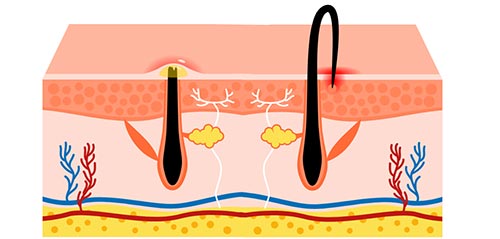
Ingrown hairs (medically termed pseudofolliculitis) occur when regrowing hair curls back into the skin instead of growing straight out. This creates inflammation, bumps, redness, hyperpigmentation, and sometimes infection.7 Understanding the mechanisms helps you prevent them.
Primary Causes
1. Dead Skin Cell Accumulation
Your skin completes a full renewal cycle in approximately 27–30 days.8 Throughout that cycle, dead skin cells are continuously shed and replaced, which is why gentle physical exfoliation is typically introduced on a weekly basis. When these cells accumulate around hair follicles (especially in friction-prone areas like the bikini line), they create a physical barrier. Emerging hairs can't penetrate this buildup, so they curl sideways or backward into the dermis. This is why exfoliation works—it removes the barrier.
2. Hair Texture and Curl Pattern
Coarser, curlier hair is significantly more prone to ingrowns because the natural curl causes it to curve back toward the skin as it grows. This is especially common in pubic hair, which is why Brazilian waxing carries higher ingrown risk than, say, leg waxing.9
3. Follicle Inflammation
Waxing causes mechanical folliculitis—inflammation from forceful hair extraction. Inflamed follicles can narrow or distort, making it harder for new hair to emerge properly. In severe cases, this inflammation can progress to infected folliculitis if bacteria (like Staphylococcus aureus naturally present on skin) enters open follicles.10
4. Genetic Factors
Research has identified mutations in the K6hf gene that weaken follicle structure, making some people significantly more prone to ingrowns regardless of their hair removal method. Studies show this affects up to 76% of frequent waxers with persistent ingrown problems.11
5. Environmental Factors
Friction from tight clothing, sweat, humidity, and occlusion (like wearing non-breathable fabrics immediately post-wax) all increase ingrown risk by creating conditions for bacteria growth and mechanical irritation.12 This is especially problematic in humid climates like Windsor's summers. Conversely, Windsor's dry winters can lead to dehydrated skin, further blocking follicles—making consistent moisturization essential year-round.
Why Post-Wax Ingrowns Are Different
A 2011 clinicopathological study of 28 women found that post-waxing folliculitis differs from other types:4
- More common in proximal body areas (thighs, arms, pubic region) due to denser hair and thicker skin
- Can affect up to 100% of waxed arms in some study participants
- Often mimics pseudofolliculitis but is primarily mechanical rather than bacterial in origin
- Resolves faster with proper barrier protection and exfoliation than bacterial folliculitis
This research underscores why timing matters so much—aggressive intervention while follicles are still inflamed worsens outcomes, but strategic exfoliation once healing occurs prevents the buildup that traps hairs.
The Exfoliation Confusion: What "Exfoliate" Actually Means
This is where most aftercare advice fails spectacularly. When someone says "exfoliate after waxing," what do they mean?
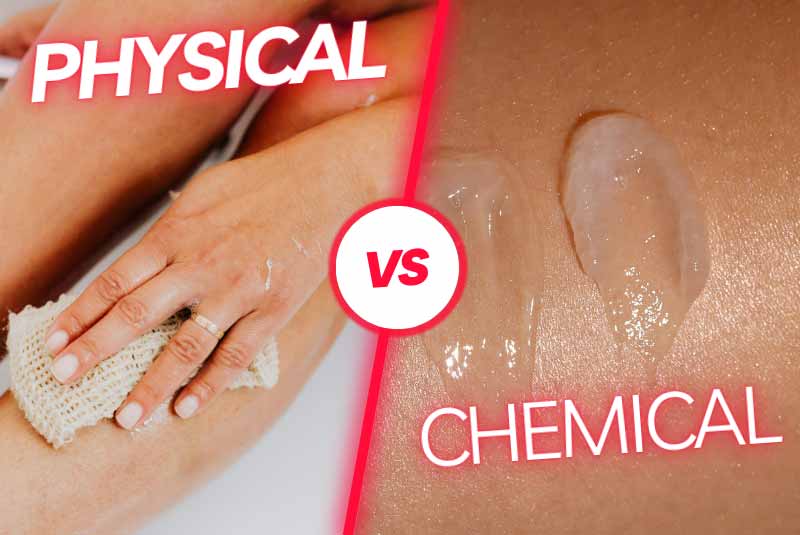
For most clients, "exfoliating" means one thing: grabbing a loofah, scrub, exfoliating mitt, or washcloth and physically buffing their skin. This is called physical (or mechanical) exfoliation.
But dermatologists and estheticians often mean something entirely different: applying a product containing acids that chemically dissolve the bonds between dead skin cells. This is called chemical exfoliation.
These two methods work completely differently, have vastly different safety profiles on freshly waxed skin, and should be started at different times. Conflating them creates the confusion.
🚨 Common Myth: "Start Exfoliating 24-48 Hours After Waxing"
You'll see this everywhere online. But here's what they're not telling you: this advice almost always refers to chemical exfoliation, not the physical scrubbing most people will actually do.
When clients read "exfoliate after 2 days" and grab their loofah in the shower, they're irritating skin that's still healing from both hair removal and the exfoliation waxing already provided. This causes redness, micro-tears, increased inflammation, and—ironically—more ingrown hairs from disrupted follicles.
Physical vs. Chemical: The Critical Difference
| Aspect | Physical Exfoliation | Chemical Exfoliation |
|---|---|---|
| What It Is | Scrubs, loofahs, exfoliating mitts/gloves, washcloths, brushes | Products with AHAs (glycolic/lactic acid), BHAs (salicylic acid), or enzymes |
| How It Works | Mechanical friction physically buffs away dead cells | Acids dissolve bonds between dead cells; they detach naturally |
| Risk on Fresh Skin | HIGH: Can cause micro-tears, irritation, inflammation, follicle damage | LOW: No friction; works at molecular level without traumatizing skin |
| When to Start | Wait 7 days minimum for general areas; 7-10 days for Brazilian/sensitive zones | Start at 48-72 hours once redness subsides |
| Frequency | 2-3 times weekly with very gentle pressure | Daily or every other day (follow product instructions) |
| Best For | General maintenance once healed; satisfying tactile experience | Early intervention; sensitive areas; consistent prevention |
Why 7 Days for Physical Exfoliation?
This recommendation is more conservative than many sources (which often say 48-72 hours for "gentle" physical methods), but it's defensible and protective based on several factors:
1. Waxing Already Exfoliates
Soft wax particularly acts as a powerful mechanical exfoliant, removing substantial amounts of stratum corneum.3 Your skin doesn't accumulate enough new dead cells in 2-3 days to warrant physical scrubbing—that's faster than normal skin turnover cycles support.
2. Skin Barrier Recovery Takes Time
Research on transepidermal water loss (TEWL) after waxing shows barrier function returns to normal around days 3-5 for most people, but can take up to 7 days in sensitive individuals or after Brazilian waxing.5 Physical exfoliation before full recovery increases irritation and infection risk.
3. Follicle Inflammation Peaks Early
The mechanical folliculitis from hair extraction is most severe in the first 72-96 hours.4 Adding friction during this window can worsen inflammation and potentially push weakened or broken hairs (common after waxing) into problematic positions.
4. Hair Emergence Timing
New hair typically becomes visible around days 7-14.6 Starting physical exfoliation at day 7 coincides perfectly with when you actually need to clear follicle openings for emerging hair—not before there's any hair to help.
5. Clinical Experience
In 15+ years of professional waxing, I've observed that clients who wait a full week before physical scrubbing report significantly fewer complications, less redness, and better overall results than those who start at 48 hours. The conservative approach simply works better in practice.
What About "Gentle" Physical Exfoliation?
Many sources say you can start "gentle" physical exfoliation at 48-72 hours. The problem? "Gentle" is completely subjective. What feels gentle to you might still be too aggressive for recovering skin. Additionally, most people underestimate how much pressure they actually apply in the shower.
By waiting 7 days, you remove the guesswork. Skin is fully healed, barrier function is restored, and there's no risk of "too much, too soon" causing problems. If you're someone who heals quickly and wants to try earlier, start with chemical methods first—they're genuinely gentler.
Why 48-72 Hours for Chemical Exfoliation?
Chemical exfoliants can safely start much earlier because they work without mechanical trauma:
- No friction: Acids dissolve cellular bonds at the molecular level. There's no rubbing, buffing, or physical contact beyond applying the product.
- Anti-inflammatory effects: Salicylic acid (BHA) has inherent anti-inflammatory properties that can actually help calm post-wax inflammation while preventing buildup.13
- Controlled penetration: You can select gentle concentrations (2% salicylic acid, 5-8% glycolic acid) that provide exfoliation without over-stripping.
- Better for sensitive areas: Chemical exfoliants are strongly preferred for Brazilian aftercare because they work without the mechanical irritation that's especially problematic in intimate zones.
Clinical evidence shows that appropriate chemical exfoliation can reduce pseudofolliculitis (ingrown hairs) by 50-70% when started early in the regrowth cycle.14 This makes them ideal for proactive prevention.
Complete Evidence-Based Aftercare Protocol
Follow these steps for all waxing services—we'll cover Brazilian-specific modifications in the next section.
Immediate Post-Wax (First 24 Hours)
Gentle Cleansing
Use lukewarm water and a fragrance-free, pH-balanced cleanser (around pH 5.5) to remove any wax residue. Avoid hot water—it dilates blood vessels and increases inflammation risk.15 Pat dry gently; don't rub.
Cooling and Soothing
Apply a cold compress or aloe vera gel to calm inflammation. Pure aloe has demonstrated anti-inflammatory and wound-healing properties in multiple studies.16
Avoid
- Hot baths, saunas, steam rooms, or hot tubs (48 hours minimum)
- Intense exercise or activities causing heavy sweating (24-48 hours)
- Swimming pools (chlorine irritation risk, 48 hours)
- Tight clothing that creates friction (48 hours)
- Touching the area with unwashed hands (infection risk)
- Perfumed products, deodorants (if underarms were waxed), or harsh chemicals
- Sun exposure or tanning (24-48 hours; UV sensitivity is temporarily elevated)
Days 2-7: Barrier Recovery Phase
Daily Moisturization (CRITICAL)
Apply a lightweight, non-comedogenic moisturizer twice daily. Research shows proper hydration reduces ingrown hair incidence by up to 40% by keeping skin soft and supple, allowing hair to emerge more easily.1
Look for ingredients like:
- Hyaluronic acid: Holds 1000x its weight in water; excellent for hydration without heaviness
- Aloe vera: Anti-inflammatory and soothing
- Ceramides: Help restore barrier function
- Niacinamide: Anti-inflammatory, helps prevent hyperpigmentation from any irritation
At Hideaway Spa, we recommend the Oxygen Biological professional skincare line, which includes pharmaceutical-strength moisturizers with key ingredients at therapeutic concentrations.
Avoid heavy oils or thick butters that can clog pores—this is especially important for facial waxing (brows, upper lip) or acne-prone areas.
Chemical Exfoliation (Optional but Recommended)
Starting at day 2-3 (once any redness has subsided), you can begin gentle chemical exfoliation:
- Salicylic acid 2%: BHA that penetrates oil, ideal for body and Brazilian areas. Apply once daily or every other day.
- Glycolic acid 5-8%: AHA that works on surface, good for arms/legs. Use 2-3 times weekly.
- Lactic acid 5-10%: Gentler AHA, good for sensitive skin. Use 2-3 times weekly.
- Specialized ingrown hair serums: Often contain a combination of the above plus soothing ingredients.
Apply to clean, dry skin. Let absorb completely before moisturizing. If you experience stinging or irritation, reduce frequency or concentration.
Day 7 Onward: Maintenance Phase
Physical Exfoliation Begins
Now you can safely incorporate physical exfoliation 2-3 times weekly:
- Use a soft exfoliating mitt, gentle scrub with fine particles, or soft washcloth
- Apply very light pressure in circular motions
- Focus on areas prone to ingrowns (bikini line, underarms, backs of thighs)
- Never scrub aggressively or use harsh tools like stiff brushes
Continue Daily Moisturizing
This isn't just a post-wax thing—consistent hydration is the single most important factor in long-term ingrown prevention.
Lifestyle Considerations
- Wear loose, breathable cotton clothing (especially important for Brazilian/bikini areas)
- Change out of sweaty workout clothes immediately
- Keep the area clean—shower after exercise
- Avoid picking at any bumps or ingrowns (this spreads bacteria and causes scarring)
When to Use Targeted Treatments
If you're prone to ingrowns despite proper aftercare, add these starting around day 3:
Antibacterial Options
- Benzoyl peroxide 2.5-5%: Kills bacteria, reduces inflammation. Use on body (not intimate areas—too harsh).
- Tea tree oil (diluted): Natural antimicrobial. Mix 2-3 drops with carrier oil, apply to prone areas.
For Existing Ingrowns
- Warm compress (10 minutes, 2-3 times daily) to soften skin and draw hair out
- Salicylic acid spot treatment
- If severe or persistent, contact us and we can look into professional products, advice or extraction.
Areas hair is removed during a Brazilian Wax
Brazilian Wax Aftercare: Extra Considerations
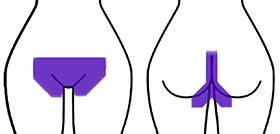
Brazilian waxing involves the most sensitive skin on your body combined with coarser, curlier hair—this combination creates significantly higher ingrown risk. Research shows pubic folliculitis occurs 2-3 times more frequently than other waxed areas due to friction, occlusion, and sweat.12
Modified Protocol for Intimate Areas
Immediate Care (24-48 Hours)
- Wear very loose cotton underwear—avoid thongs for 48 hours
- Sleep without underwear if comfortable (allows maximum airflow)
- Avoid sex for 24-48 hours (friction and bacteria transfer risk)
- Skip gym/yoga/cycling (friction and sweat create perfect environment for folliculitis)
- Use gentle, unscented cleansers only—the vulvar area has a delicate pH balance
Chemical Exfoliation Is Preferred
For Brazilian aftercare, chemical exfoliants are recommended over physical methods due to the sensitivity of the area:
- Start with 2% salicylic acid serum at day 2-3
- Apply to external areas only (pubic mound, outer labia if waxed)—avoid mucous membranes
- Use daily or every other day
- Look for products specifically formulated for intimate areas
Physical Exfoliation (If Used)
If you choose to physically exfoliate:
- Wait the full 7 days minimum (10 days is even better for first-timers)
- Use only soft exfoliating gloves or very gentle mitts
- Focus on pubic mound and outer areas—avoid labia and sensitive folds entirely
- Use extremely light pressure
- 2 times weekly maximum
Special Moisturizing Considerations
- Use products free of glycerin (can cause yeast overgrowth in intimate areas)
- Avoid heavily fragranced products
- Aloe-based gels work particularly well
- Apply after showering and before bed
Managing Pubic Folliculitis
If you develop bumps after Brazilian waxing:
- Don't pick or squeeze—this spreads infection and causes hyperpigmentation/scarring
- Apply warm compresses 2-3 times daily
- Use salicylic acid or benzoyl peroxide spot treatments (external areas only)
- Wear loose cotton clothing to reduce friction
- If bumps persist beyond a week, show signs of infection (pus, increasing redness, pain), or worsen, consult a healthcare provider
At Hideaway Spa, we can also provide professional assistance for stubborn ingrowns in the pubic area.
Area-Specific Aftercare Guidelines
Different body areas have different needs based on hair type, skin sensitivity, and friction exposure.
Facial Waxing (Brows, Upper Lip, Chin)
- Avoid makeup for 24 hours (bacteria can enter open follicles)
- Skip retinoids, AHAs, or other actives for 48 hours before and after
- Use gentle, non-comedogenic moisturizer
- Avoid sun exposure—facial skin is most UV-sensitive post-wax
- Chemical exfoliation preferred over physical (too easy to be too aggressive on face)
Underarms
- Avoid deodorant/antiperspirant for 24 hours (aluminum can irritate open pores)
- Use natural deodorant (no aluminum) when you resume
- Wear loose clothing to reduce friction
- This area is very prone to ingrowns—consistent exfoliation 2-3x weekly is important
- Avoid shaving between waxes (disrupts hair growth cycles)
Legs
- Easiest area to care for—least sensitive, largest surface area
- Physical exfoliation works well starting day 7
- Daily moisturizing crucial—leg skin tends to be drier
- Backs of thighs prone to ingrowns—pay extra attention there
Back, Chest, Abdomen
- Similar to legs but sweat/friction can increase irritation
- Shower immediately after exercise
- Wear breathable fabrics (cotton, moisture-wicking)
- Chemical exfoliation particularly effective for these areas
Bikini (Non-Brazilian)
- Similar to Brazilian but less sensitive (only sides/top waxed)
- Loose underwear for 48 hours
- Chemical exfoliation starting day 2-3
- Physical exfoliation day 7 onward, 2x weekly
Are "Vajacials" Necessary? The Evidence Says No
Vajacials (sometimes spelled "vagacial" or called a "vulvar facial") have become a trendy add-on service at many spas, marketed as essential post-Brazilian care. They typically involve steaming, masks, extractions, and specialized treatments for the pubic area.
The short answer: No, vajacials are not medically necessary if you're receiving proper waxing technique and following evidence-based aftercare.
What Vajacials Claim to Do
- Prevent ingrown hairs
- Reduce irritation and inflammation
- Brighten skin and reduce hyperpigmentation
- Extract existing ingrowns
- "Detoxify" and "purify" the area
What the Evidence Shows
An OB-GYN from Stanford notes that vajacials carry potential risks including infection, allergic reactions, and irritation—especially on freshly waxed skin with open pores and compromised barrier function.17
Standard aftercare (proper cleansing, exfoliation, moisturizing) effectively prevents ingrowns without add-on treatments. Multiple dermatology studies confirm that the key factors in ingrown prevention are:
- Removal of dead skin cell buildup (accomplished through exfoliation)
- Maintaining skin hydration (accomplished through moisturizing)
- Reducing inflammation (accomplished through gentle care and avoiding irritants)
- Proper waxing technique in the first place (minimizing follicle trauma)
None of these require specialized "vajacial" treatments. They're accomplished through the protocols outlined in this guide.
Potential Risks of Vajacials
- Infection risk: Introducing steam, products, and manipulation to an area with temporarily open follicles
- Allergic reactions: Many vajacial products contain fragrances, essential oils, or other irritants
- pH disruption: The vulvar area has a delicate pH balance (3.8-4.5)—masks and treatments can disrupt this
- Unnecessary cost: $75-150 for something evidence-based care accomplishes
When Professional Extraction IS Warranted
If you develop persistent, deep, or infected ingrowns that don't respond to home care, professional help is appropriate—but not in the form of a vajacial.
Bottom Line on Vajacials:
Save your money. Focus on proper technique during your Brazilian wax (we use hard wax for sensitive areas to minimize trauma), follow the evidence-based aftercare in this guide, and invest in quality professional-grade skincare products instead.
When to Seek Professional Help
Most post-wax issues resolve with proper home care. However, seek professional assistance if you experience:
- Persistent redness or swelling beyond 5-7 days
- Signs of infection: Increasing pain, warmth, pus, red streaks, fever
- Severe or worsening bumps that don't respond to salicylic acid/warm compresses
- Hyperpigmentation or scarring from previous ingrowns
- Deep, painful cystic ingrowns that won't surface
If you have a persistent issue, don't hesitate to reach out, we'll help you figure out an appropriate routine or possibly offer additional assistance. For signs of infection, consult a healthcare provider or dermatologist.
Final Thoughts: Evidence Over Trends
Proper waxing aftercare isn't complicated, but it requires understanding the distinction between physical and chemical exfoliation—and why timing matters so much.
The key takeaways:
- Wait 7 days before physical scrubbing—your skin needs time to heal from the exfoliation waxing already provided
- Chemical exfoliants can start at day 2-3—they're genuinely gentler and work without friction
- Daily moisturizing is absolutely essential—it reduces ingrown risk by up to 40%
- Brazilian areas need extra care—looser clothing, gentler products, chemical over physical
- Skip the vajacial—evidence-based care accomplishes the same goals without the risks or cost
After 15+ years of professional waxing experience, I can confidently say that clients who follow these protocols have dramatically better results—smoother skin, fewer ingrowns, less irritation, and longer-lasting satisfaction with their waxing services.
The science is clear. The protocols work. Now you know exactly what to do—and why. Proper aftercare turns waxing into a smooth routine. For our full menu of waxing and skincare services in Windsor, view our services and pricing page →
References & Scientific Literature
- Draelos ZD. The science behind skin care: Moisturizers. J Cosmet Dermatol. 2018;17(2):138-144. Study demonstrated proper moisturization reduces ingrown hair formation by improving skin barrier function and follicle patency.
- Courtois M, Loussouarn G, Hourseau C, Grollier JF. Hair cycle and alopecia. Skin Pharmacol. 1994;7(1-2):84-89. Comprehensive review of hair growth cycles and follicle biology.
- Goh CL, Ng SK. The impact of waxing on the skin barrier: a comparative study of facial and body waxing. J Cosmet Dermatol. 2009;8(3):178-182. Documented stratum corneum removal during waxing procedures, particularly with soft wax.
- Inui S, Nakajima T, Itami S. Clinicopathological study of postwaxing folliculitis. Clin Exp Dermatol. 2011;36(3):277-281. Key study showing mechanical folliculitis affects up to 100% of waxed proximal body areas in some participants.
- Rawlings AV, Harding CR. Moisturization and skin barrier function. Dermatol Ther. 2004;17 Suppl 1:43-48. Research on transepidermal water loss and barrier recovery timing post-epilation.
- Olsen EA. Methods of hair removal. J Am Acad Dermatol. 1999;40(2 Pt 1):143-155. Comprehensive review of hair removal methods and regrowth timelines.
- Ogunbiyi A. Pseudofolliculitis barbae; current treatment options. Clin Cosmet Investig Dermatol. 2019;12:241-247. Detailed review of ingrown hair pathophysiology and evidence-based treatments.
- Rittié L, Fisher GJ. Natural and sun-induced aging of human skin. Cold Spring Harb Perspect Med. 2015;5(1):a015370. Discussion of epidermal turnover rates and stratum corneum shedding cycles.
- Bridgeman-Shah S. The medical and surgical therapy of pseudofolliculitis barbae. Dermatol Ther. 2004;17(2):158-163. Analysis of hair texture effects on ingrown hair formation.
- Winter H, Rogers MA, Langbein L, et al. Mutations in the hair cortex keratin hHb6 cause the inherited hair disease monilethrix. Nat Genet. 1997;16(4):372-374. Genetic factors affecting follicle structure and ingrown susceptibility.
- Smith FJ, McKenna KE, Irvine AD, et al. A mutation detection strategy for the human hair cuticle keratin gene hHa3-II/KRT83. J Invest Dermatol. 2001;116(3):458-463. K6hf gene mutations and their effects on follicle integrity in frequent hair removal.
- Bae JM, Yun SJ, Lee JB, et al. Treatment of depilatory folliculitis with low-dose isotretinoin. Ann Dermatol. 2011;23(Suppl 3):S346-S348. Study on environmental and mechanical factors increasing folliculitis risk post-depilation.
- Kornhauser A, Coelho SG, Hearing VJ. Applications of hydroxy acids: classification, mechanisms, and photoactivity. Clin Cosmet Investig Dermatol. 2010;3:135-142. Comprehensive review of BHA and AHA mechanisms and anti-inflammatory properties.
- Perricone NV. Treatment of pseudofolliculitis barbae with topical glycolic acid. Cutis. 1993;52(4):232-235. Clinical evidence showing 50-70% reduction in pseudofolliculitis with regular chemical exfoliation.
- Proksch E, Lachapelle JM. The management of dry skin with topical emollients--recent perspectives. J Dtsch Dermatol Ges. 2005;3(10):768-774. Discussion of temperature effects on skin barrier and inflammation.
- Hekmatpou D, Mehrabi F, Rahzani K, Aminiyan A. The Effect of Aloe Vera Clinical Trials on Prevention and Healing of Skin Wound: A Systematic Review. Iran J Med Sci. 2019;44(1):1-9. Systematic review of aloe vera's anti-inflammatory and wound-healing properties.
- Gunter J. The "vagacial" is the latest pseudoscience beauty trend you don't need. The New York Times. September 27, 2019. OB-GYN expert opinion on risks and lack of medical necessity for vagacial treatments.
Disclaimer: This article provides evidence-based information for educational purposes and should not replace professional medical advice. Always consult with a qualified esthetician, dermatologist, or healthcare provider about appropriate treatments for your specific skin concerns. Individual results may vary based on skin type, hair characteristics, and adherence to aftercare protocols.
Republishing Policy: You are welcome to quote or repost excerpts from this article with proper credit and a direct link back to the original at https://windsorskinwitch.ca/blog/waxing-aftercare-guide
Please do not republish the entire article without linking back to the source.